
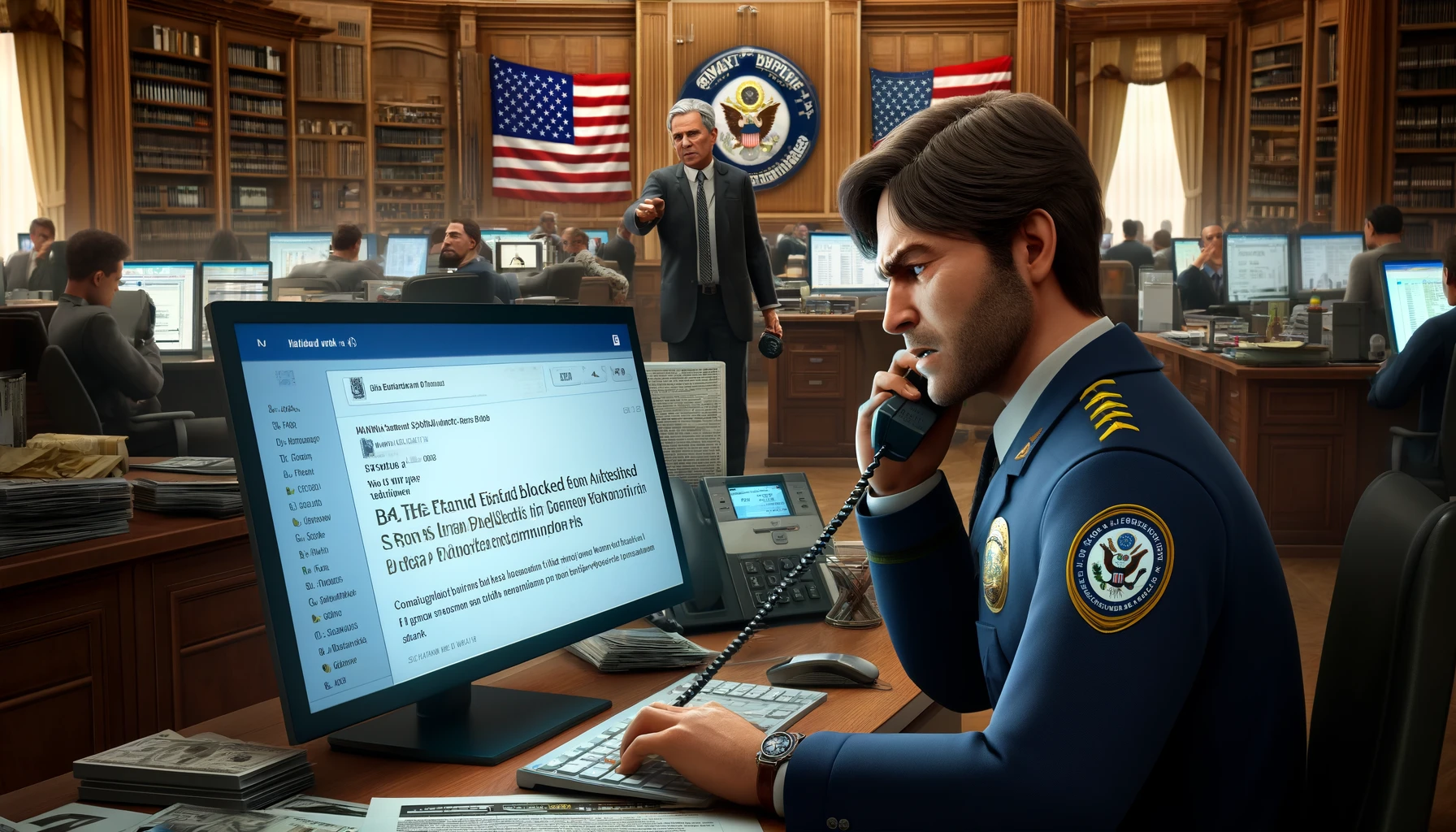
Recently disclosed emails suggest that the Obama State Department intervened to prevent the FBI from arresting individuals who were supporters of Iran’s nuclear program. This revelation has sparked significant controversy and debate over the actions taken during the Obama administration’s efforts to negotiate the Iran nuclear deal.
The emails, obtained through a Freedom of Information Act request, indicate that senior State Department officials instructed the FBI to hold off on arresting several Iranian operatives and sympathizers. These individuals were allegedly involved in activities that could have undermined the U.S. sanctions regime against Iran.
Supporters of the State Department’s decision argue that the move was necessary to maintain diplomatic channels and ensure the successful negotiation of the Joint Comprehensive Plan of Action (JCPOA), commonly known as the Iran nuclear deal. They contend that arresting these individuals at a critical juncture could have jeopardized the delicate talks aimed at curbing Iran’s nuclear ambitions.
Critics, however, claim that the intervention compromised U.S. national security and undermined the enforcement of sanctions. They argue that allowing these individuals to operate without consequence sent a message of weakness and could have emboldened Iran’s nuclear pursuits.
Former State Department officials involved in the decision have defended their actions, stating that the broader goal of preventing Iran from acquiring nuclear weapons took precedence. They highlight the complexities of international negotiations and the need to make tactical decisions that balance immediate law enforcement actions with long-term diplomatic objectives.
The revelation has reignited debates over the Iran nuclear deal itself, with opponents using the emails to argue that the deal was flawed and that the Obama administration made undue concessions. Supporters maintain that the JCPOA was a landmark agreement that successfully halted Iran’s progress toward a nuclear weapon and provided a framework for ongoing inspections and verification.
As the details of the emails continue to be analyzed, the implications for current U.S. policy towards Iran are being closely examined. The Biden administration, which has expressed interest in re-engaging with the JCPOA, faces renewed scrutiny and pressure to address the concerns raised by these revelations.
The incident underscores the delicate balance between national security, diplomatic strategy, and law enforcement in the realm of international relations. The debate over the Obama administration’s handling of the Iran nuclear deal and its broader foreign policy legacy is likely to persist as new information comes to light.