
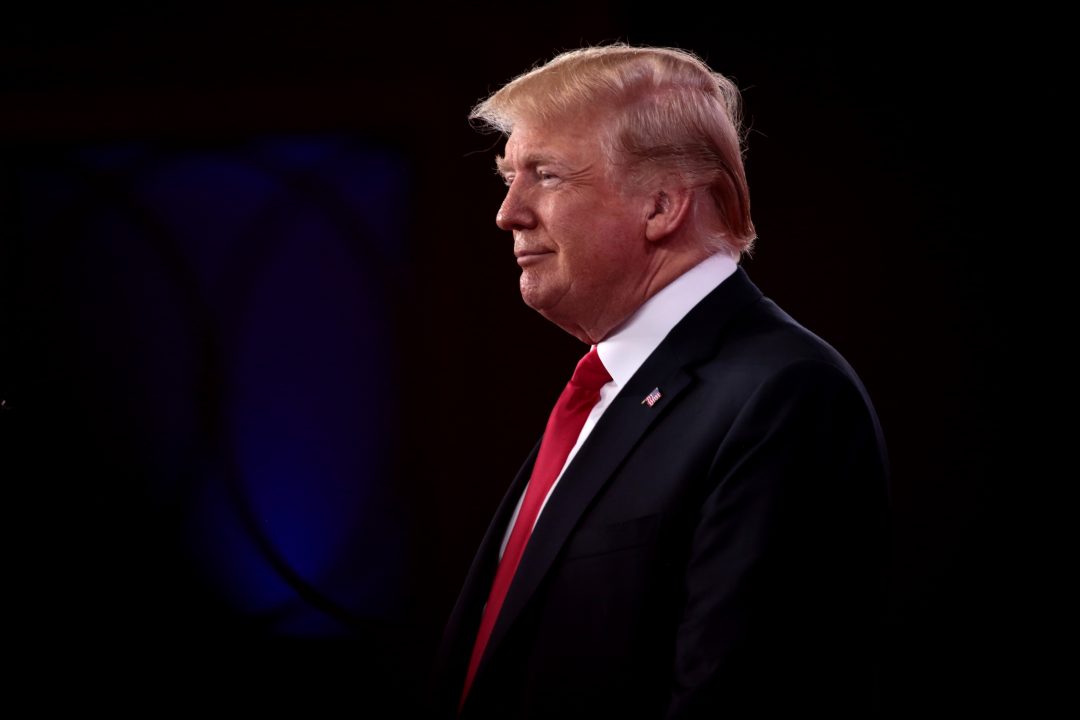
President Donald Trump has announced his intention to sign an executive order that would establish English as the official language of the United States. The move, which has been a longstanding priority for some conservative lawmakers, is expected to reignite debates over language policies and national identity.
Trump has argued that making English the official language would strengthen national unity and streamline government operations, particularly in public services and official documents. Supporters of the initiative claim it would reduce costs associated with multilingual translations and reinforce the country’s cultural foundation.
Critics, however, warn that such a measure could disproportionately affect non-English-speaking communities and immigrants, making access to essential services more difficult. Opponents also point out that while English is the dominant language in the U.S., the country has historically embraced linguistic diversity.
If implemented, the executive order would impact federal agencies and possibly influence state policies, though legal challenges are anticipated. As the proposal moves forward, the debate over linguistic inclusivity and national identity is expected to take center stage in political discussions.