
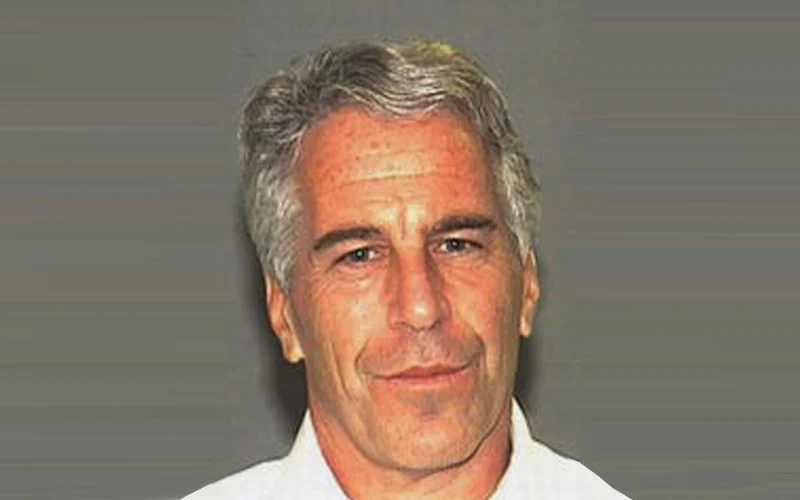
Newly disclosed email exchanges from Jeffrey Epstein’s estate shed light on a behind-the-scenes effort to influence how Donald Trump handled questions about his ties to Epstein during the early stages of the 2016 election cycle. The messages, released as part of a broader congressional review of Epstein’s communications, show Epstein and author Michael Wolff discussing how Trump might respond if confronted about visiting Epstein’s properties or traveling on his plane.
In one of the emails, Wolff suggested that debate moderators or interviewers should simply allow Trump to deny any association, arguing that letting him “hang himself” publicly could create a moment of political vulnerability. The idea was that an outright denial would be contradicted by publicly known interactions between Trump and Epstein, generating what Wolff referred to as politically “valuable currency.” The tone of the conversation indicates that both men believed Trump was sensitive about the topic and could be pushed into a misstep.
Another message shows Epstein asserting that Trump “knew about the girls,” adding that Trump had once asked Ghislaine Maxwell to intervene and “stop.” While the email does not accuse Trump of participating in criminal activity, it reflects Epstein’s view that the former president was aware of troubling behavior connected to Epstein’s circle. The email lacks specifics and offers no corroborating details, but its inclusion in the release has intensified scrutiny from investigators and the public.
The collection of emails spans from 2011 to 2019 and forms part of thousands of documents made public in recent days, many of which center on Epstein’s political connections, social network and attempts to shape public narratives. Lawmakers reviewing the materials say the correspondence adds another layer to understanding how Epstein sought to manage his reputation while maintaining influence among high-profile figures.
The revelations come amid growing pressure on Congress to fully detail Epstein’s communications and the extent of his contact with political leaders, business executives and cultural figures across multiple decades.