
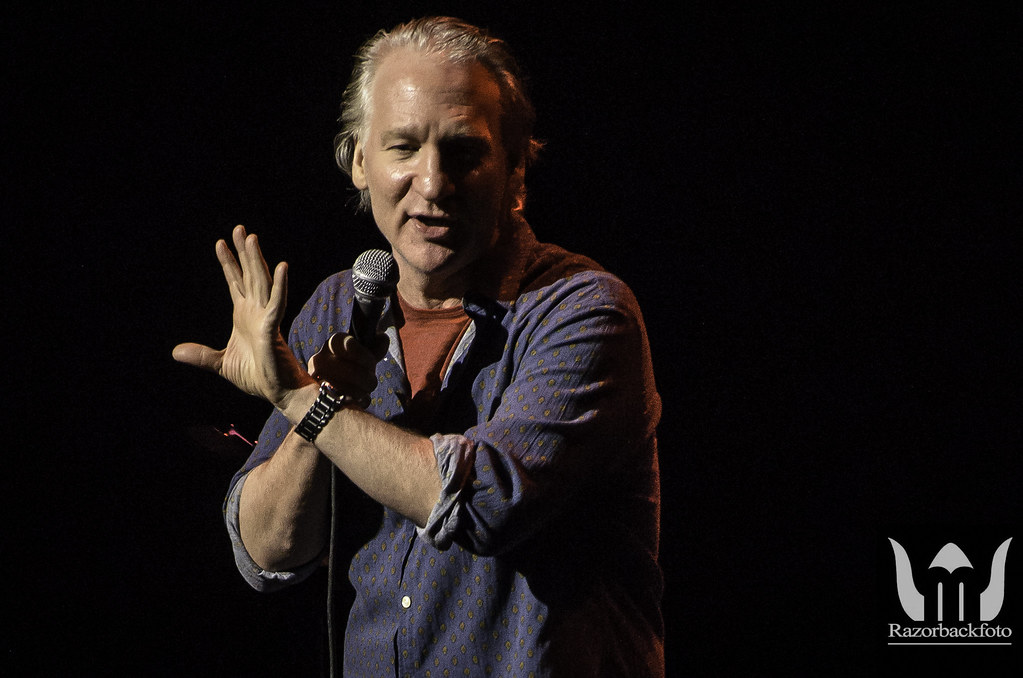
In a candid moment during his appearance on HBO’s “Real Time with Bill Maher,” ESPN commentator Stephen A. Smith expressed regret over his decision to vote for Kamala Harris in the 2020 presidential election. Smith described himself and others who supported Harris as feeling like “fools,” reflecting on how they were misled by the political narrative surrounding her candidacy. He pointed out that Harris had a lackluster performance during the Democratic primaries, failing to gain traction or even secure votes before dropping out early in the race. This abrupt shift from an underwhelming campaign to becoming the Democratic nominee left Smith questioning how such a transformation could occur, leading him to believe that many voters fell for a superficial appeal rather than a substantive platform.
Smith’s criticism did not stop at Harris; he also took aim at the Democratic Party as a whole. He argued that the party’s focus on identity politics and niche issues has alienated many voters, pushing them toward Republican ideals. In his view, this disconnect has serious implications for the party’s future, suggesting that Democrats need to reconnect with the concerns of everyday Americans rather than relying on progressive agendas that may not resonate with the broader electorate. He contrasted this with Donald Trump’s ability to connect with voters despite his controversial past, noting that many Americans still perceived him as more relatable than the Democratic candidates.
As Smith continues to voice his frustrations with the current political landscape, his remarks have sparked discussions about accountability within the Democratic Party and the importance of addressing voter concerns directly. His reflections serve as a reminder of the complexities involved in political choices and how quickly public sentiment can shift. With Smith openly contemplating a potential future in politics himself, it remains to be seen how his critiques will influence both his career and the broader discourse surrounding voter engagement and party alignment in America.