
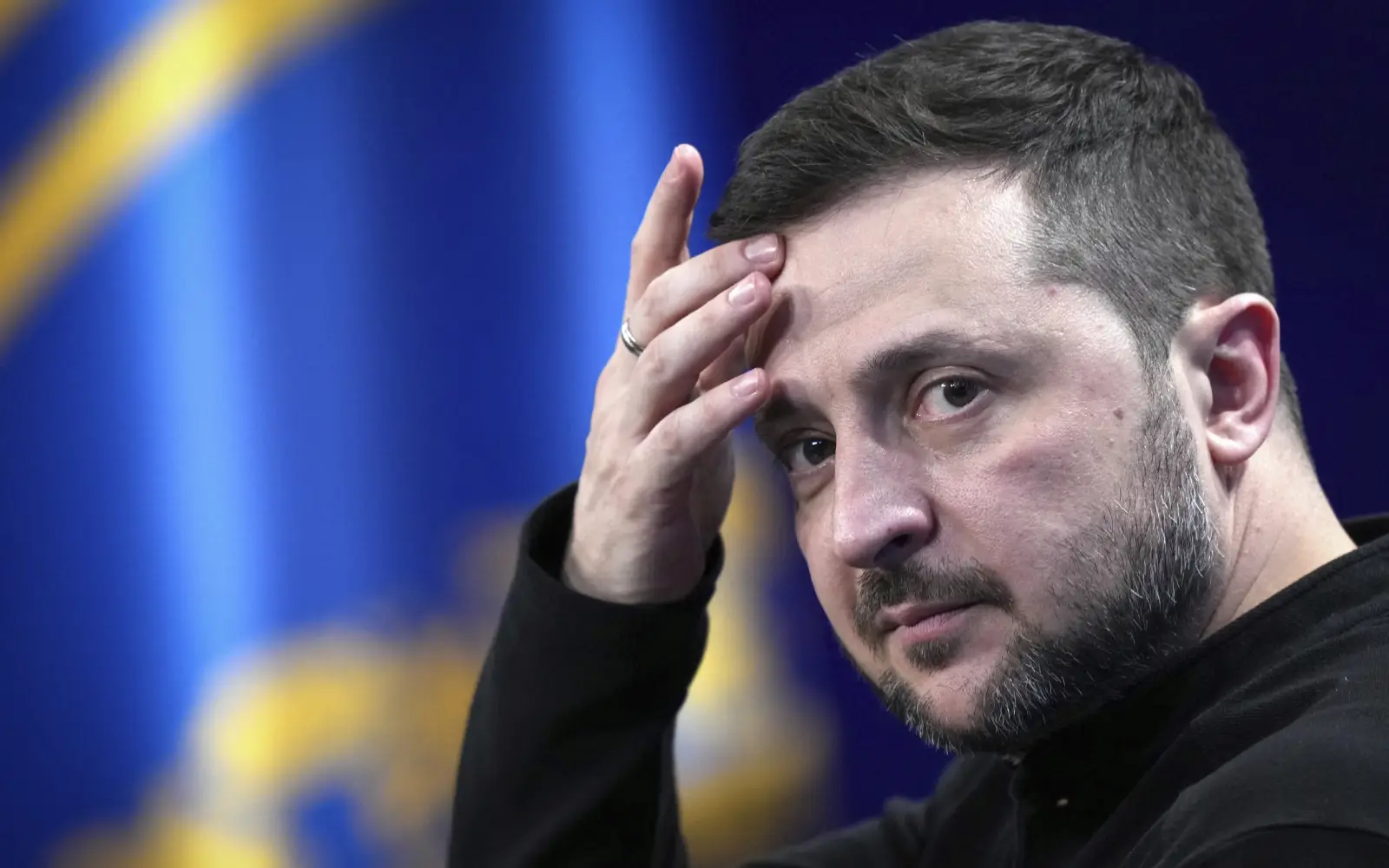
A series of nearly identical pro-Ukraine statements issued by multiple European leaders has sparked controversy, with critics questioning the coordinated messaging in support of President Volodymyr Zelensky. The statements, which were shared across various government channels, have drawn scrutiny for their strikingly similar wording, leading to speculation about a broader public relations effort.
Political analysts and observers have noted that the synchronized posts, while reinforcing European solidarity with Ukraine, raise concerns about the authenticity of the statements. Some critics argue that such uniform messaging diminishes the credibility of individual nations’ positions, making it appear as though governments are following a scripted narrative rather than independently expressing their views.
Supporters of the statements, however, contend that they reflect a unified stance against Russian aggression and reinforce Europe’s commitment to Ukraine’s sovereignty. They argue that coordinated messaging is a strategic necessity when dealing with geopolitical crises that require international cooperation.
Despite the backlash, European officials have not addressed whether the statements were pre-planned or centrally distributed. As debates over foreign aid and military assistance to Ukraine continue, the controversy highlights the ongoing tensions between maintaining political unity and ensuring transparency in diplomatic communications.