
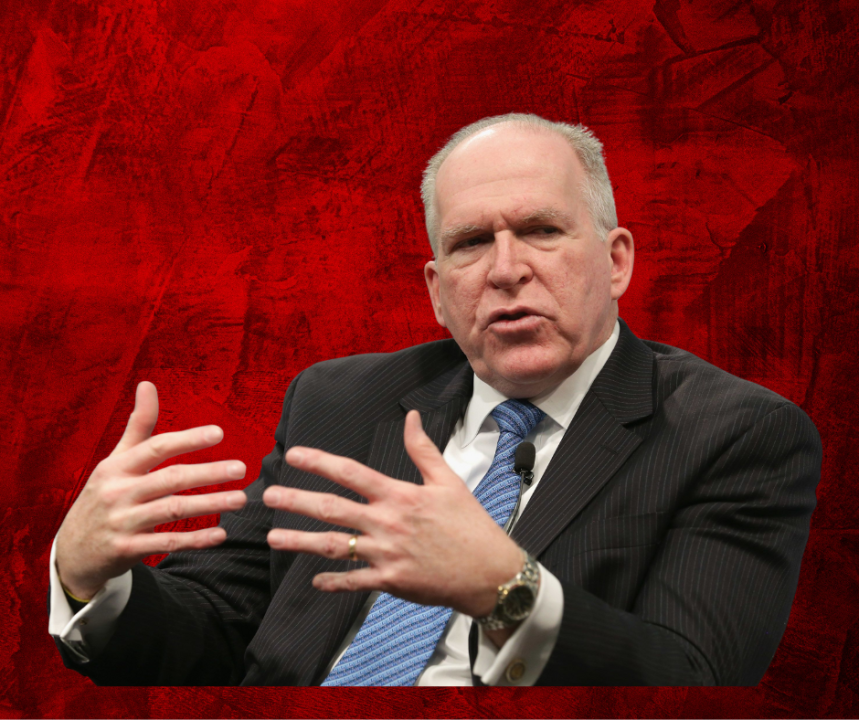
Former CIA Director John Brennan clashed with an audience member during a public event after being questioned about his role in signing a 2020 intelligence letter that cast doubt on the authenticity of Hunter Biden’s laptop. The fiery exchange reignited debate over the involvement of former intelligence officials in shaping public perception ahead of the 2020 presidential election.
Witnesses said the confrontation began when a man in the audience directly challenged Brennan over the now-infamous open letter signed by 51 former intelligence officials. The letter suggested the release of Hunter Biden’s laptop information had “the hallmarks” of a Russian disinformation campaign—a claim that critics argue was politically motivated and used to discredit reporting on the story just weeks before the election.
Visibly frustrated, Brennan responded that the letter was “grossly misrepresented” by the media and never declared the laptop to be fake. “We didn’t say it was Russian disinformation,” he insisted. “We said it could have been—a warning about possible foreign interference.” The former CIA chief then appeared to lose his patience, pointing toward the questioner and exclaiming, “I’m not going to waste my time with you,” before abruptly ending the discussion and walking away.
The confrontation has drawn renewed attention to Brennan’s role in the broader controversy, especially after U.S. intelligence agencies and media outlets later verified the laptop’s authenticity. The episode mirrors a larger public reckoning over how intelligence veterans, mainstream media, and social platforms handled the story leading up to the election.
Brennan, who served as CIA Director under President Barack Obama, has repeatedly defended the letter’s intent, maintaining that it was meant to caution the public—not suppress information. Yet critics contend that the timing and language of the statement effectively shielded then-candidate Joe Biden from political fallout and helped influence voter perception.
Lawmakers on Capitol Hill have since launched multiple inquiries into the coordination surrounding the letter, probing whether political operatives or campaign officials were involved in soliciting signatures from former intelligence leaders. Some Republican members of Congress have described the document as part of a broader effort to interfere with the 2020 election narrative.
For Brennan, who has frequently appeared on cable news as a national security analyst, the latest encounter underscores the enduring public anger surrounding the handling of the Hunter Biden laptop story. More than four years later, it remains one of the most contentious intersections of intelligence, media, and politics in modern American history—a controversy that continues to follow many of its key players.