
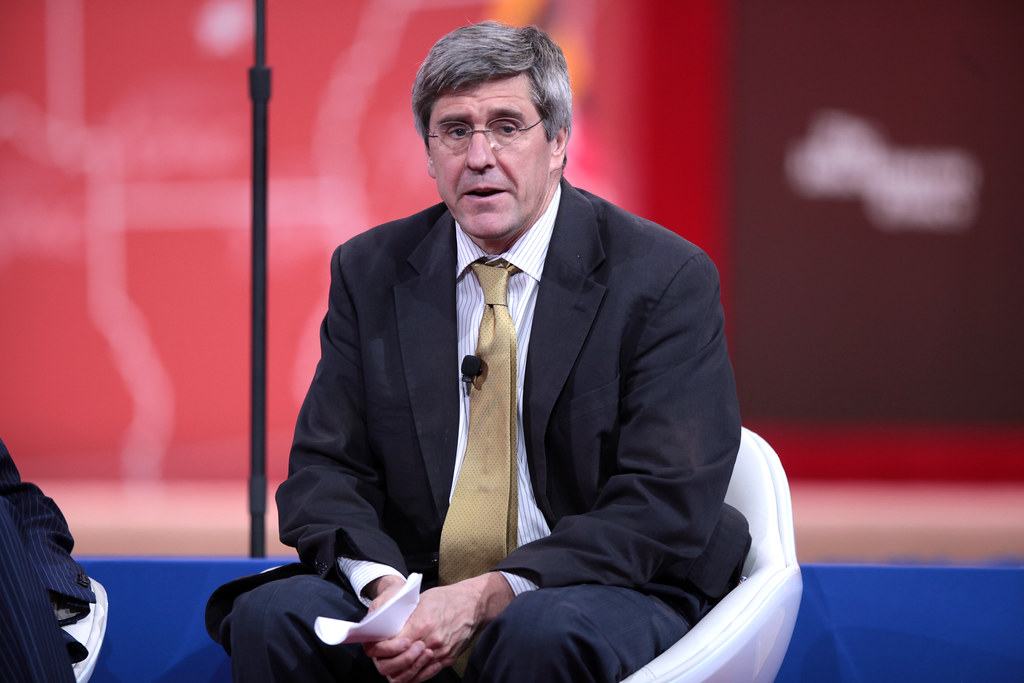
A former economic adviser to President Trump has voiced strong opposition to the administration’s newly imposed tariffs on Canadian and Mexican imports, calling them a misguided approach that could have unintended economic consequences.
Stephen Moore, who previously served as a key figure in Trump’s economic policy team, warned that the tariffs could disrupt trade relations with two of the United States’ largest partners and lead to increased costs for American businesses and consumers. According to Moore, the decision to impose these trade barriers may undermine the administration’s broader economic strategy.
The tariffs, which were introduced as part of efforts to address trade imbalances and border security concerns, have sparked criticism from some economic analysts who argue that the move could slow growth and negatively impact industries reliant on North American supply chains. Moore contends that while addressing trade disputes is necessary, the administration should focus on negotiation rather than broad tariff measures that could escalate tensions with key allies.
Business leaders have also expressed concerns, with representatives from various industries cautioning that increased import costs could lead to higher prices on essential goods. Manufacturers that rely on cross-border supply chains are particularly worried about disruptions to production and potential retaliatory measures from Canada and Mexico.
Despite these warnings, the administration has defended the tariffs, maintaining that they are a necessary tool to ensure fair trade practices and national security. Officials have suggested that the levies could be reconsidered if trade partners take steps to address U.S. concerns, including border enforcement policies and trade disparities.
The debate over the tariffs continues to unfold, with some policymakers supporting the measures as a way to strengthen U.S. leverage in trade negotiations. However, critics like Moore argue that economic growth should take precedence over protectionist policies that could have long-term repercussions on American industries and consumers.