
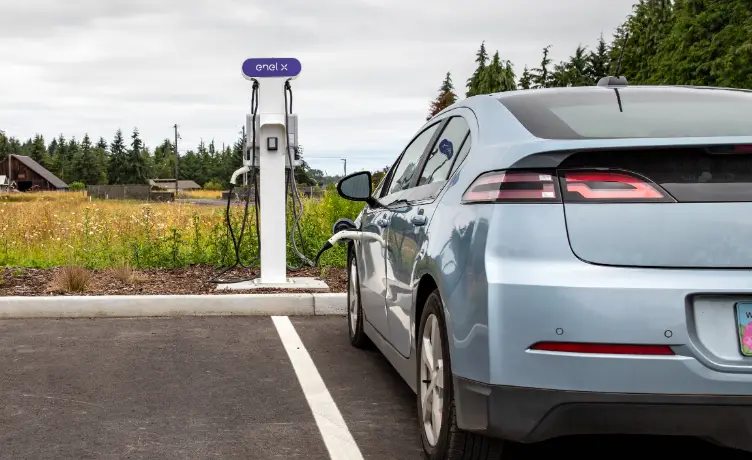
In a recent development, the Biden administration has come under scrutiny following the launch of a unique initiative by the Environmental Protection Agency (EPA). This initiative, termed the “EV Video Challenge,” is a contest inviting American citizens to create and submit videos featuring their electric vehicles (EVs). The program offers a total prize pool of $13,500, distributed across various categories and winners.
The EPA’s challenge, announced on Tuesday, immediately attracted criticism and allegations of inconsistency, particularly from the Alliance For Consumers and other observers. Critics argue that the administration is using public funds to generate favorable narratives about electric vehicles, a move they consider to be propagandistic.
Jason Isaac, the founder and CEO of the American Energy Institute, expressed his disapproval, suggesting that the contest unfairly benefits affluent EV owners at the expense of taxpayers. He also hinted at the irony of potentially awarding extra points for videos featuring government-subsidized aspects of EV ownership.
The contest is structured into three categories: personal mobility, electric vehicle, and electric bus. Each category will have three winners, making a total of nine victorious entrants. Prizes range from $500 for third place to $3,000 for the top spot in each category.
In defending the initiative, the EPA highlighted the experiential differences and benefits of electric vehicles, such as quieter operation and reduced maintenance requirements. The agency emphasizes the importance of sharing personal experiences with EVs to foster a more sustainable future.
Participants in the challenge are encouraged to address various aspects of their EV experience in their submissions, including daily usage, personal preferences, and overcoming challenges. Videos highlighting environmental advantages are slated to receive additional consideration.
The submission deadline for the contest is set for late January, with the winners to be announced shortly thereafter.
The initiative aligns with the Biden administration’s broader environmental strategy, which has included imposing stringent emission standards on heavy-duty trucks and proposing aggressive tailpipe emissions rules for light- and medium-duty vehicles. The EPA’s recent actions also reinstated California’s authority to set its own emission standards, potentially influencing electric vehicle sales nationwide.
However, the initiative and wider policy moves have not been without their detractors. Critics, including those from the Texas Public Policy Foundation, argue that electric vehicles remain costlier and less efficient than traditional gas-powered alternatives, especially without significant government subsidies. They claim that the true cost of EV ownership is obscured by these financial supports, ultimately borne by taxpayers and non-EV owners.
This latest EPA initiative, therefore, sits at the center of a heated debate over the future of transportation, environmental policy, and the role of government incentives in shaping consumer behavior and technological adoption.