
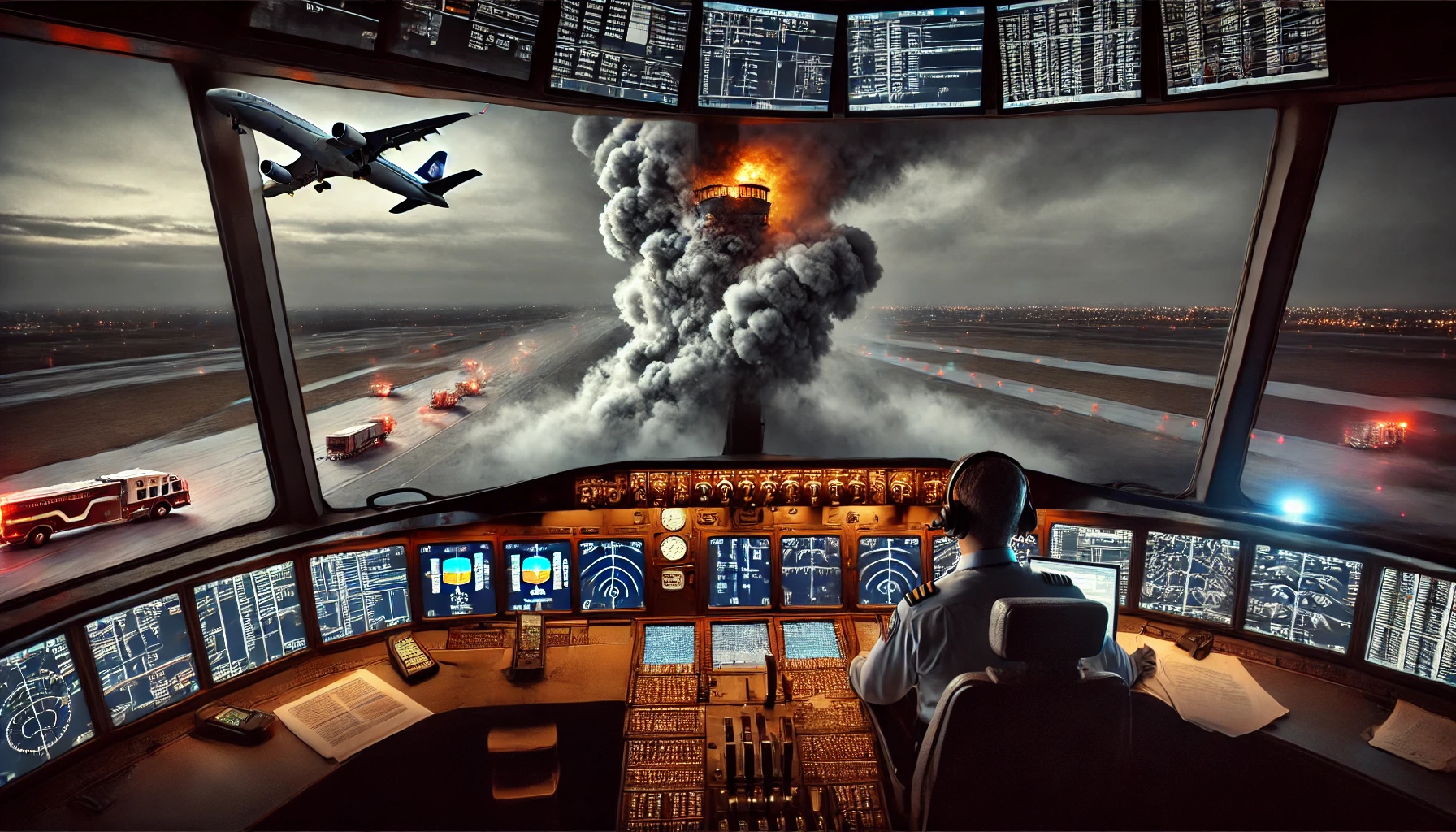
Federal aviation officials have confirmed that the air traffic controller on duty during the fatal midair collision near Reagan National Airport was handling the responsibilities of two positions at the time of the crash. The revelation has intensified scrutiny of staffing shortages within the Federal Aviation Administration (FAA) and raised concerns about workload demands on controllers managing high-traffic airspace.
According to initial findings from the FAA’s internal review, the controller was overseeing both ground and air operations, a situation that aviation experts warn can lead to communication overload and potential lapses in coordination. While the full investigation into the crash is still ongoing, officials acknowledge that the staffing situation may have played a role in the chain of events leading to the collision between an American Airlines jet and a military Black Hawk helicopter.
The FAA has faced increasing criticism over air traffic control staffing levels, with industry groups and lawmakers warning that shortages pose a serious risk to aviation safety. Many facilities have been operating below recommended staffing levels, requiring controllers to take on additional responsibilities that could increase the likelihood of human error.
Supporters of increased investment in air traffic control infrastructure argue that the FAA needs to accelerate hiring and training efforts to ensure controllers are not overburdened, particularly in high-density flight zones. Critics, however, have pointed to bureaucratic inefficiencies and mismanagement as key factors in staffing issues, calling for reforms to improve operational efficiency.
As investigators continue to analyze flight data and radio transmissions from the crash, aviation officials are under pressure to determine whether the staffing situation directly contributed to the accident. Meanwhile, the tragedy has reignited discussions about air traffic management reforms and the need for immediate action to prevent similar incidents in the future.