
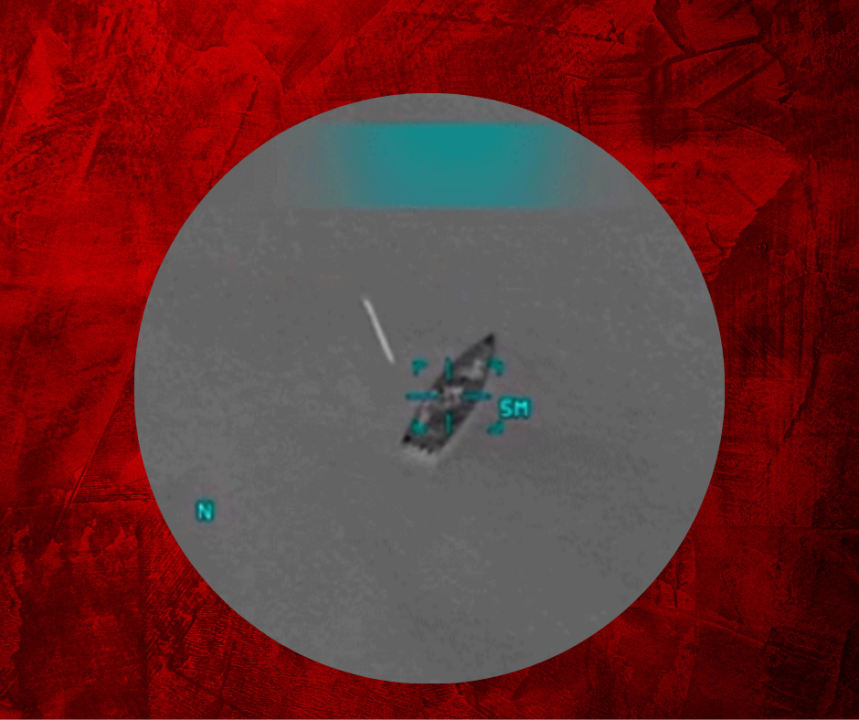
Victims’ families gathered in Washington, D.C., this weekend to praise the administration’s recent military strikes against vessels suspected of smuggling fentanyl into the United States. Mothers of overdose victims dubbed the operations as overdue justice and marched under the chant: “One boat, two boat, three boat — boom!”
At the heart of the campaign, ordered by President Donald Trump, U.S. forces targeted multiple maritime vessels in the Caribbean and eastern Pacific, which officials said were operated by drug-trafficking networks treated as “narco-terrorists.” The strikes reportedly killed around 14 individuals in one recent operation.
Supporters of the campaign — many wearing shirts reading “Angel Mom” and carrying portraits of lost children — said the military actions signal the first time their calls for bold federal intervention have been answered. “We begged for real action on the cartels for years,” one mother said. “Finally someone is listening.”
The operation builds on the Trump administration’s broader shift in treating major drug-trafficking organizations as threats comparable to foreign terror groups, and using military force in maritime interdiction. While the Pentagon has provided limited details, the message to traffickers is clear: the U.S. is using military means rather than just law enforcement.
Critics, however, raise concerns about the legality of strikes in international waters, the lack of publicly disclosed evidence identifying suspects as cartel members, and the risk of collateral damage. Meanwhile, families of U.S. overdose victims remain focused on what they see as a decisive break with previous approaches that they say failed to stop the flow of drugs.
For those gathered at the rally, the spectacle of three boats being struck in rapid succession offered a symbolic turning point in their long fight for accountability—and a rare moment of vindication in a battle that cost them their children.