
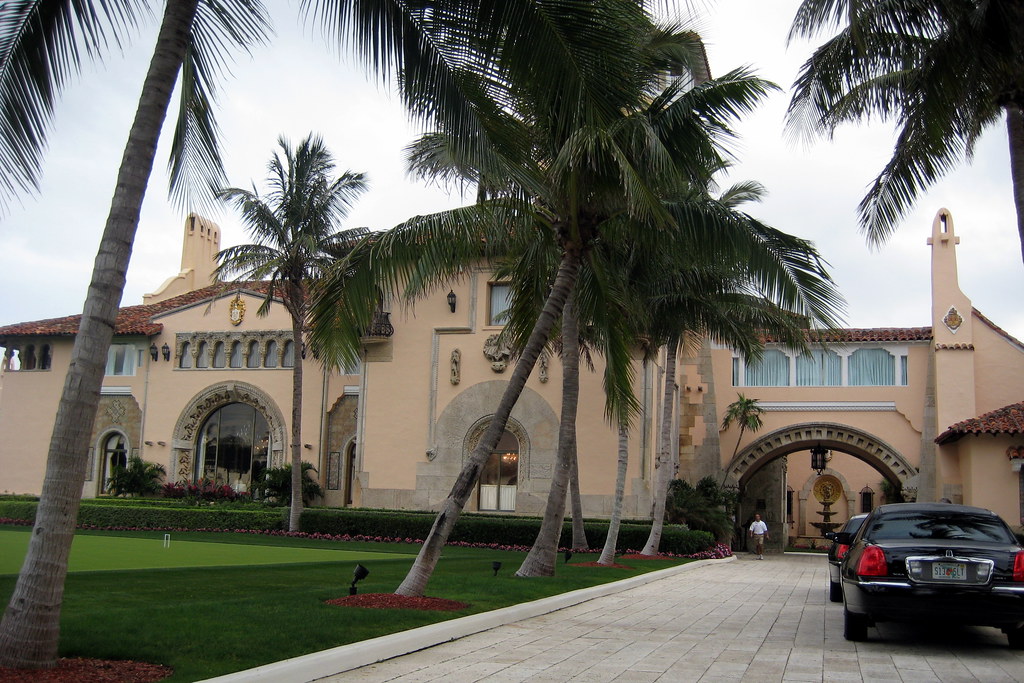
Internal FBI communications reveal that agents expressed reservations about whether there was sufficient probable cause to support a search warrant for former President Donald Trump’s Mar-a-Lago residence. Despite those concerns, the operation moved forward after pressure from senior officials in the Department of Justice.
According to the emails, some FBI personnel questioned the strength of the evidence tying potential wrongdoing to the need for a search, suggesting that the probable cause threshold had not been fully met. The debate occurred in the context of broader agency discussions about legal standards and risks associated with executing the warrant.
Senior DOJ officials, however, urged agents to proceed, emphasizing the importance of the operation and the need to secure classified materials believed to be stored at the property. The exchange reflects internal tension between career investigators and political appointees overseeing the case.
The move to conduct the raid — a highly unusual step in matters involving a former president — was shaped by these internal disagreements, highlighting the complexities and pressures faced by law enforcement leaders when confronting high-stakes legal decisions.
The emails have since become part of broader scrutiny over the investigation, raising questions about how decisions were made and whether proper legal safeguards were observed in preparing and executing the warrant. As the debate continues, both supporters and critics of the FBI’s actions are calling for clearer transparency around the decision-making process.