
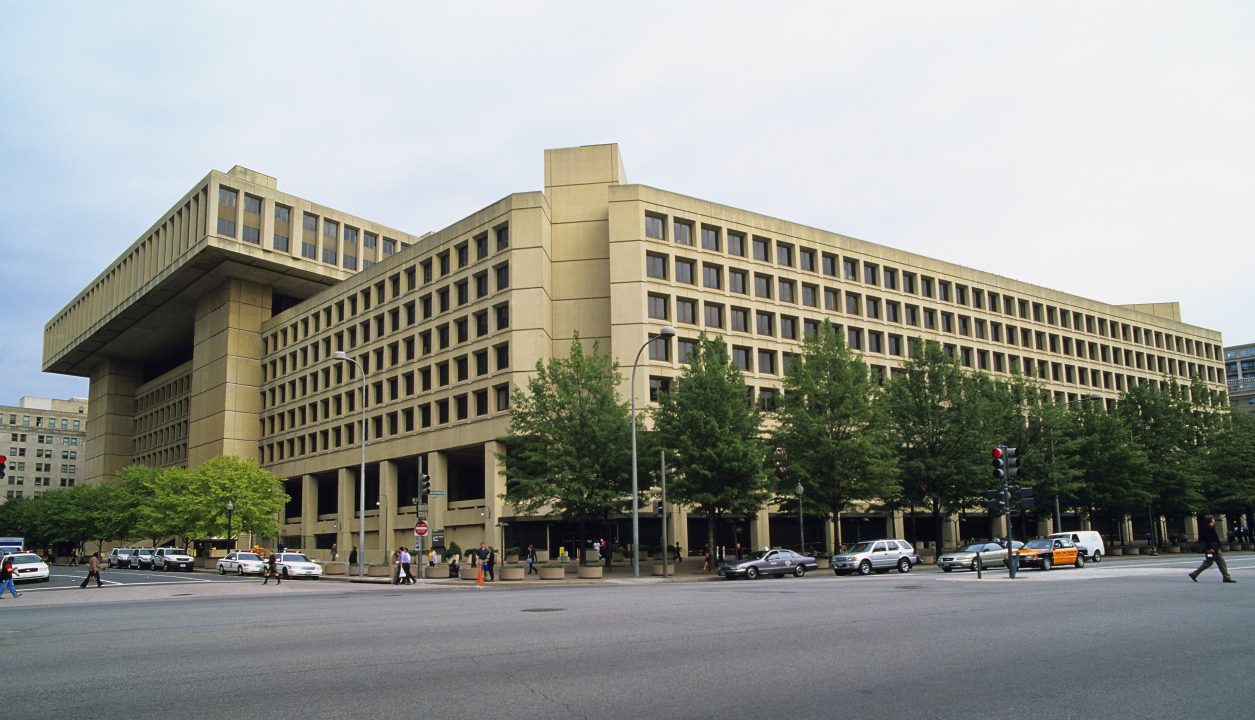
In a recently published court judgment, it has come to light that the FBI engaged in improper searches for information on a U.S. senator and other officials, utilizing an intelligence provision designed for monitoring foreign nationals. Judge Rudolph Contreras, presiding over the Foreign Intelligence Surveillance Court, revealed that the FBI had misused Section 702 of the Foreign Intelligence Surveillance Act to conduct these searches.
According to the ruling, an analyst conducted four separate Section 702 searches in June 2022, using the last names of a U.S. senator and a state senator without adhering to proper restrictions. Under Section 702, spy agencies have the legal authority to access digital communications of foreign nationals without obtaining a warrant.
Despite the FBI’s claim that they were investigating specific foreign intelligence services targeting the two individuals, the National Security Division at the Department of Justice found the criteria provided by the bureau to be inadequate.
The court’s disclosure that a “Staff Operations Specialist” looked up a state judge’s Social Security number after the judge had filed a complaint against a municipal police chief for alleged civil rights violations added further controversy to the situation.
Judge Contreras acknowledged that the FBI had taken measures to improve their application of the querying standard after the errors were exposed. However, case files revealed that Section 702 had been misused to collect data on approximately 278,000 American residents.
The American Civil Liberties Union (ACLU) played a crucial role in making this court opinion public by filing a lawsuit, leading to its release in April 2023. The ruling has sparked widespread calls for significant reforms in the implementation of Section 702.
Patrick Toomey, director of the ACLU National Security Project, urged Congress to take action in response to the revelations, stressing the urgent need for fundamental reforms. FBI Director Christopher Wray defended his agency, asserting that substantial reforms and new accountability procedures had already been implemented.
Since its initial implementation in 2008 and subsequent renewal by then-President Donald Trump in 2018, Section 702 has faced persistent criticism, particularly concerning potential FBI politicization. As the year-end approaches, legislators are engaged in debates over whether to renew these powers, with varying degrees of skepticism and caution.