
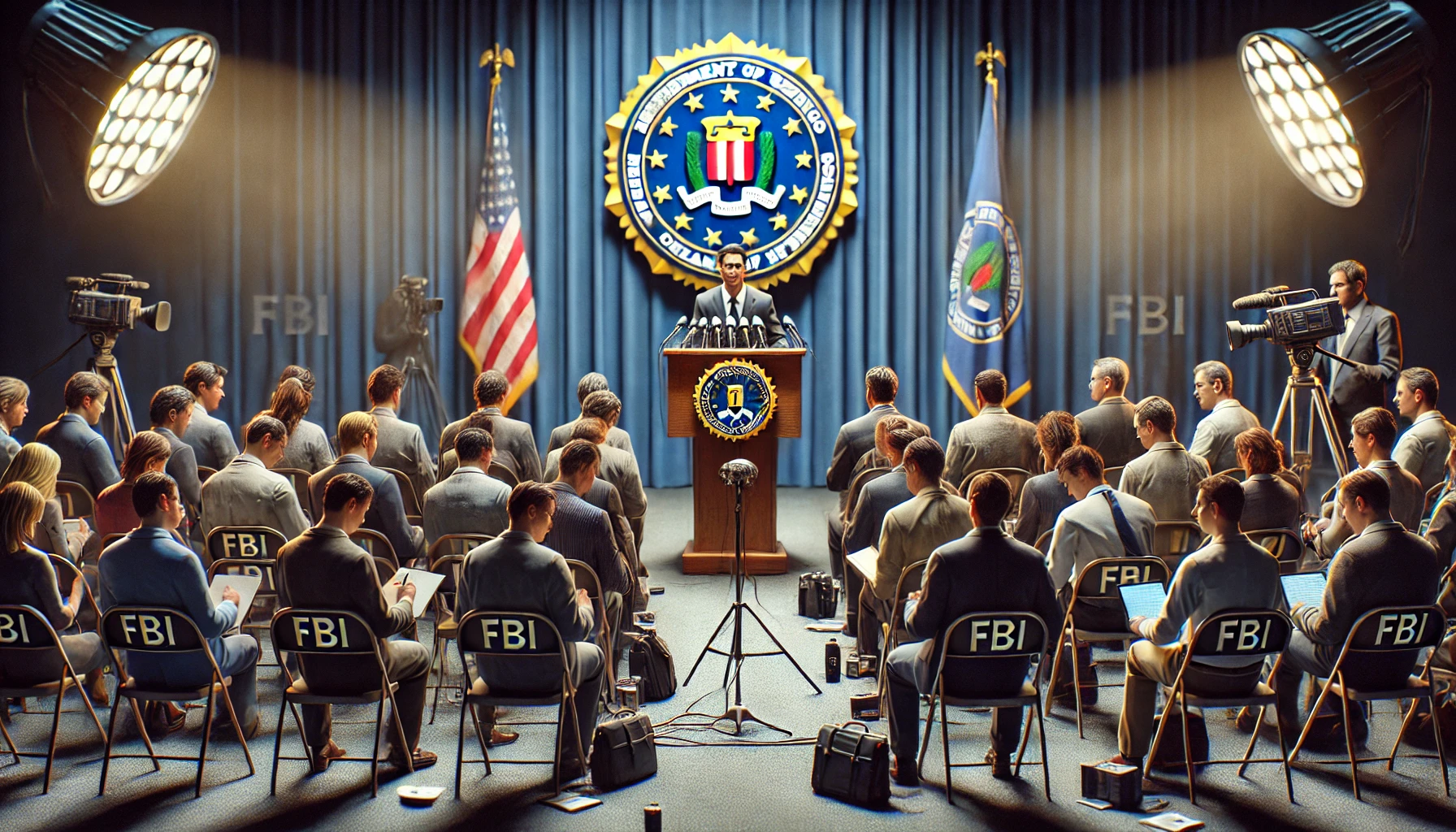
The FBI has come under scrutiny following its decision to withhold information about potential disciplinary actions against an agent who reportedly described a recent violent attack as “not a terrorist event.” The statement, which has drawn significant public and political backlash, raised concerns over the agency’s handling and classification of such incidents.
The controversy centers around comments allegedly made by the agent, whose identity has not been disclosed, downplaying the nature of the attack. Critics argue that this perspective undermines the gravity of the situation and sends conflicting messages about national security protocols. Calls for transparency and accountability have grown louder, with many demanding clarification on whether the agent will face consequences for the remarks.
FBI officials have refrained from confirming or denying any disciplinary measures, citing internal protocols. In a brief statement, the agency emphasized its commitment to a thorough review of incidents and maintaining the integrity of investigations. However, this stance has done little to quell criticism from lawmakers and the public, who argue that accountability is essential in maintaining trust in law enforcement institutions.
The incident has also reignited debates about the classification of violent acts and the criteria used to determine whether they constitute terrorism. Lawmakers from both sides of the aisle have expressed concerns about inconsistencies in how such events are labeled and investigated.
As the FBI continues to navigate the fallout from the controversy, the lack of transparency surrounding the case has left many questions unanswered. Observers are watching closely to see how the agency handles the situation and whether it takes steps to address broader concerns about communication and accountability.