
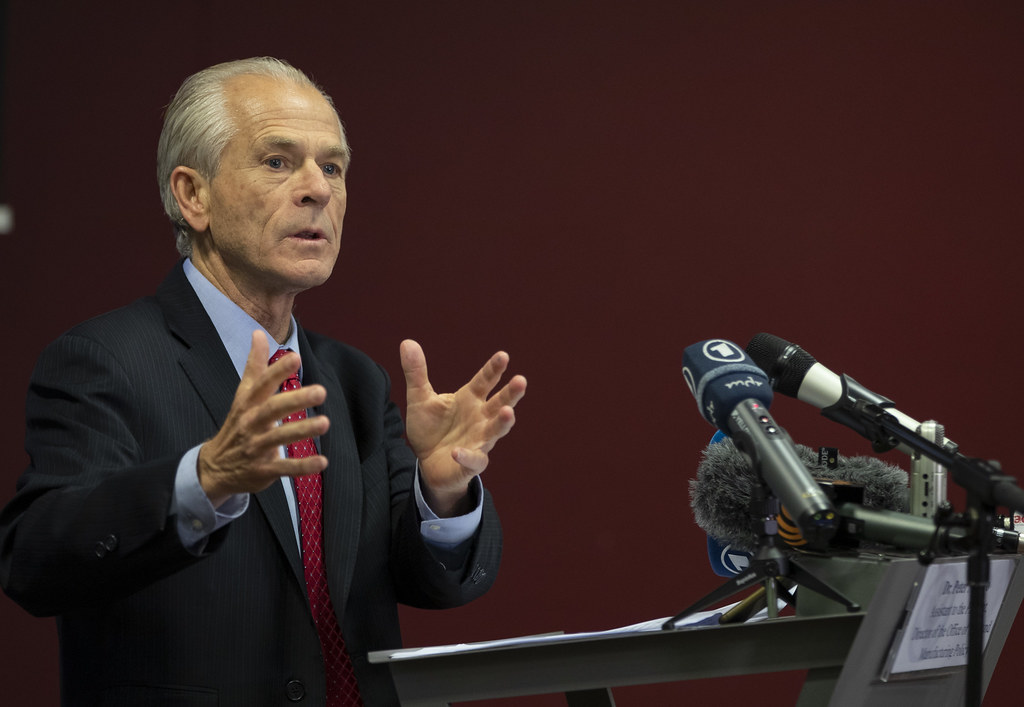
Former Trump advisor Peter Navarro was found guilty of contempt of Congress and given a four-month jail sentence. This sentence is the result of his defiance of a subpoena issued by the House Select Committee looking into the Capitol riot of January 6, 2021. Navarro, 74, had maintained that his noncompliance was due to presidential privilege; nevertheless, in September, a jury in Washington, D.C., convicted him guilty on two charges of contempt of Congress.
Prior to imposing the sentence, U.S. District Judge Amit Mehta observed that Navarro had shown no regret at all during the hearing. The judge rejected Navarro’s request for leniency and imposed a term that was longer than the required two months, along with a $9,500 fine.
Navarro, who served as Trump’s director of the White House Office of Trade and Manufacturing Policy and was well-known for his tough economic policies toward China, resigned from his post two weeks after the riot that prevented Biden’s Electoral College victory from being officially certified. He is still a well-known voice in conservative politics.
His sentencing takes place before of another prominent trial at the same courthouse concerning former President Trump’s challenge to the 2020 election results. Later this year, when Trump runs against President Biden for a second nonconsecutive term, the trial is scheduled to begin.
Navarro’s legal path has not been without criticism. He compared the activities of the Justice Department to those of autocratic regimes following his detention by the FBI in June 2022. His case was handled by the Biden-appointed U.S. Attorney Matthew Graves’ office, which has come under fire from Republicans for failing to bring charges against other former Trump aides who the House had also found guilty of contempt.
Judge Mehta dismissed Navarro’s argument that the prosecution was driven by politics, citing the fact that, in spite of the House’s resolution to charge, Graves’ office had not brought charges against former White House Chief of Staff Mark Meadows or Trump Social Media Director Dan Scavino.
The resolution of Navarro’s case is noteworthy because it highlights the ongoing legal repercussions of the Capitol incident on January 6 and the difficulties that people summoned in conjunction with the inquiry experienced. The judiciary’s opinion on people’s need to abide by congressional subpoenas, irrespective of their political connections or positions, is further demonstrated by Navarro’s punishment.