
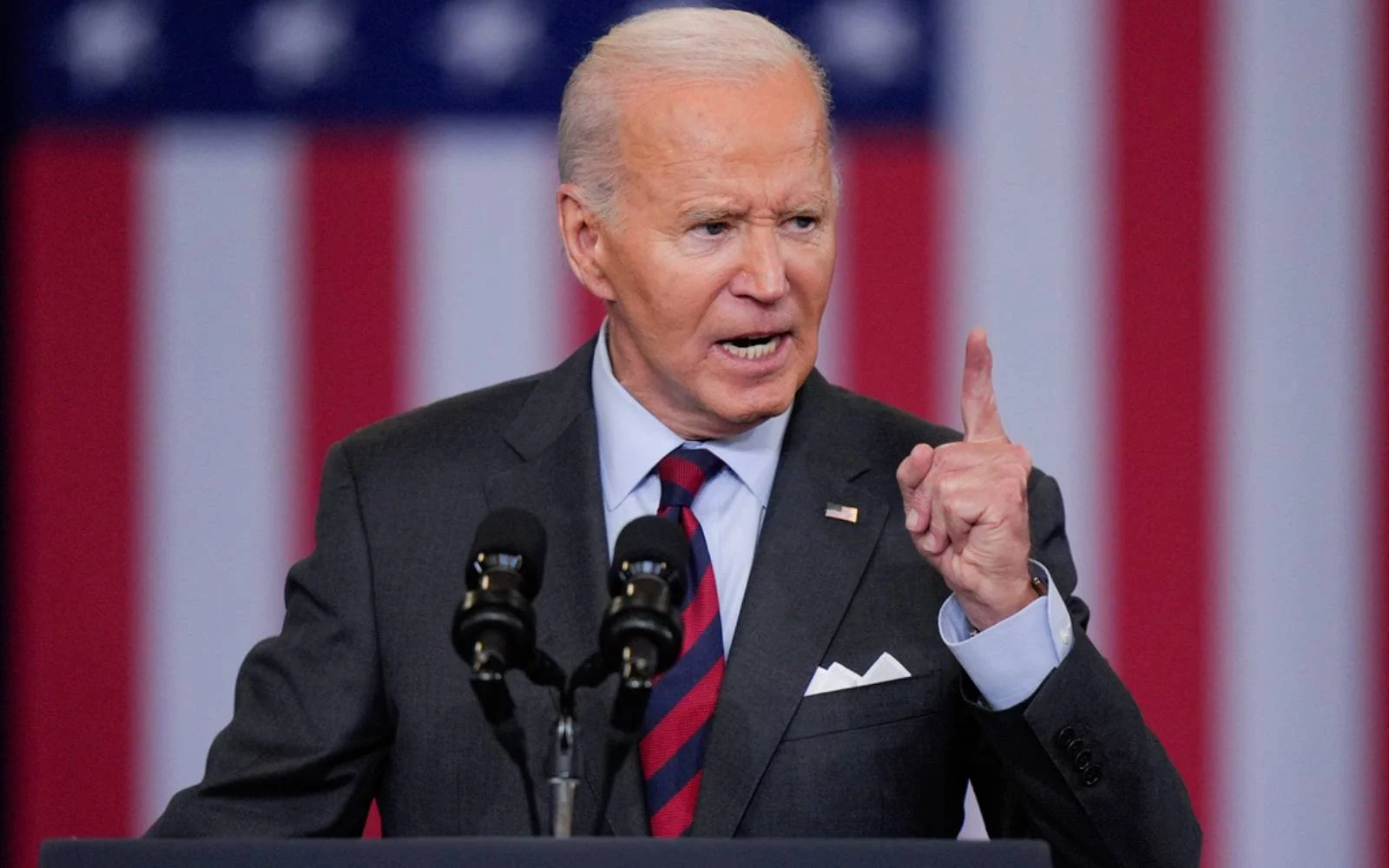
On his final day in office, President Joe Biden issued pardons for several high-profile figures, including Dr. Anthony Fauci, former Representative Liz Cheney, and General Mark Milley, along with members of the January 6 committee. The decision, which has drawn both praise and criticism, aims to protect these individuals from potential legal challenges related to their roles in government service.
Dr. Fauci, who served as the nation’s top infectious disease expert, faced scrutiny over his handling of the COVID-19 pandemic, with critics alleging mismanagement and misinformation. Supporters, however, argue that his leadership was instrumental in guiding the country through an unprecedented public health crisis.
Liz Cheney, a vocal critic of former President Donald Trump, gained national attention for her participation in the congressional investigation into the January 6 Capitol riot. Her efforts to hold officials accountable led to significant backlash within her own party, ultimately resulting in the loss of her congressional seat.
General Milley, former Chairman of the Joint Chiefs of Staff, was also included in the pardons, following criticism of his actions related to military decision-making and his communications with foreign officials during the transition of power.
The pardons have ignited a political firestorm, with Biden’s supporters arguing that they are necessary to safeguard public servants who acted in the nation’s best interest. Opponents, however, view the move as politically motivated and an attempt to shield allies from accountability.
As Biden concludes his presidency, the decision underscores the deep divisions within American politics and the ongoing debates surrounding key events of recent years.