
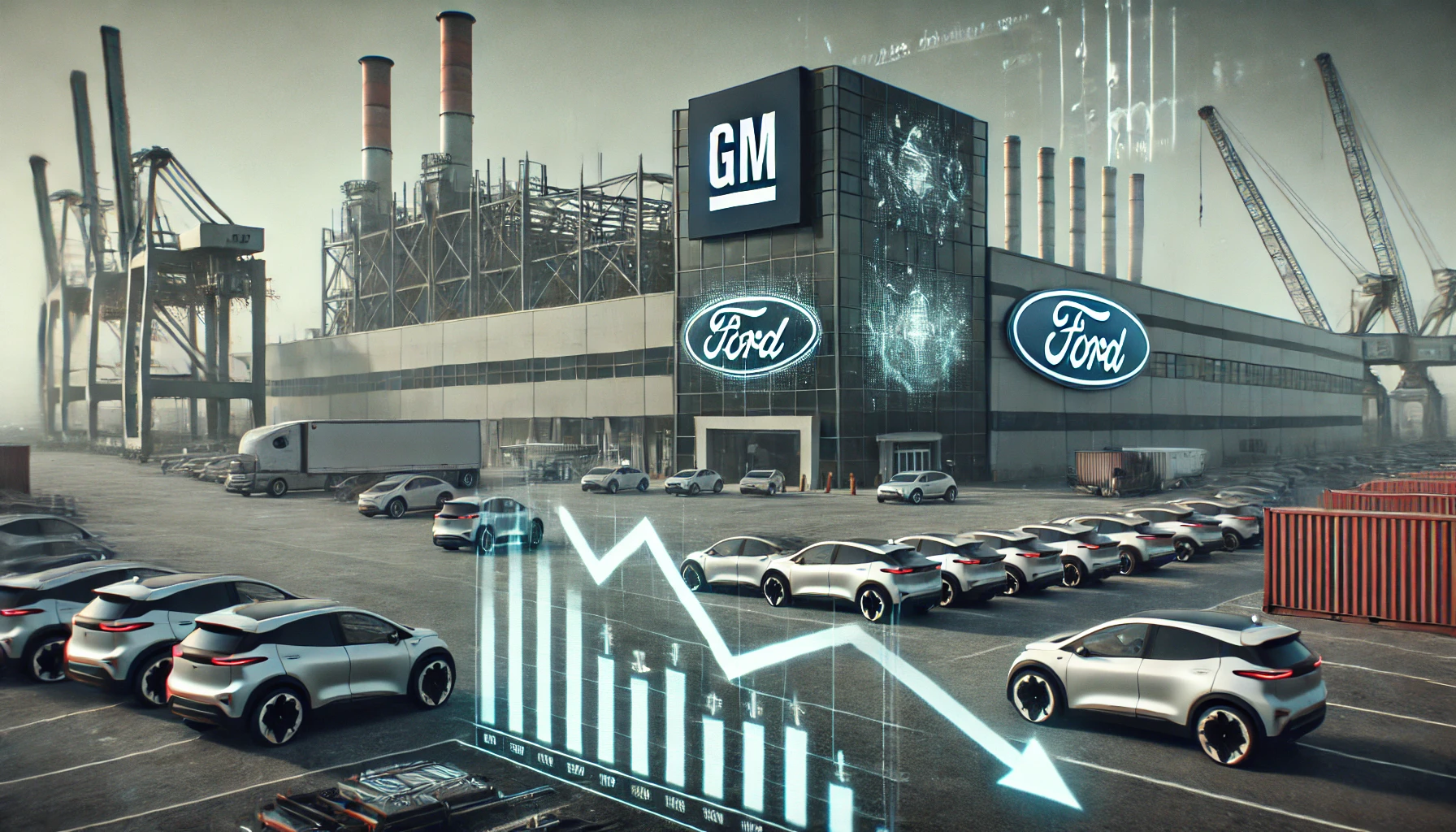
America’s top automakers are taking a financial hit as electric vehicle investments struggle to deliver returns. General Motors reported a sharp 35% drop in second-quarter profits, slipping to $1.9 billion, largely due to a massive tariff bill on imported parts and vehicles. Ford and Stellantis are also facing steep losses, driven by escalating production costs and continued challenges in the EV market.
Despite optimism about the future of electric vehicles, GM’s leadership admitted the company’s EVs are not yet profitable. The automaker is committing $4 billion to shift more manufacturing back to U.S. soil, aiming to scale up domestic production by 300,000 units over the next two years.
Ford disclosed a $5 billion loss in its EV segment so far this year, acknowledging strategic missteps and unanticipated production expenses. Stellantis, meanwhile, absorbed hundreds of millions in costs tied to trade penalties and slower-than-expected EV adoption.
Industry analysts note that while EV sales are growing, the break-even point remains elusive. Rising battery material prices, complex supply chains, and softening consumer demand are putting pressure on the long-term viability of aggressive electrification targets.
As tax incentives tighten and tariffs persist, automakers are recalibrating their timelines and expectations—highlighting the tough balance between innovation and profitability in the high-stakes race to electrify America’s roads.