
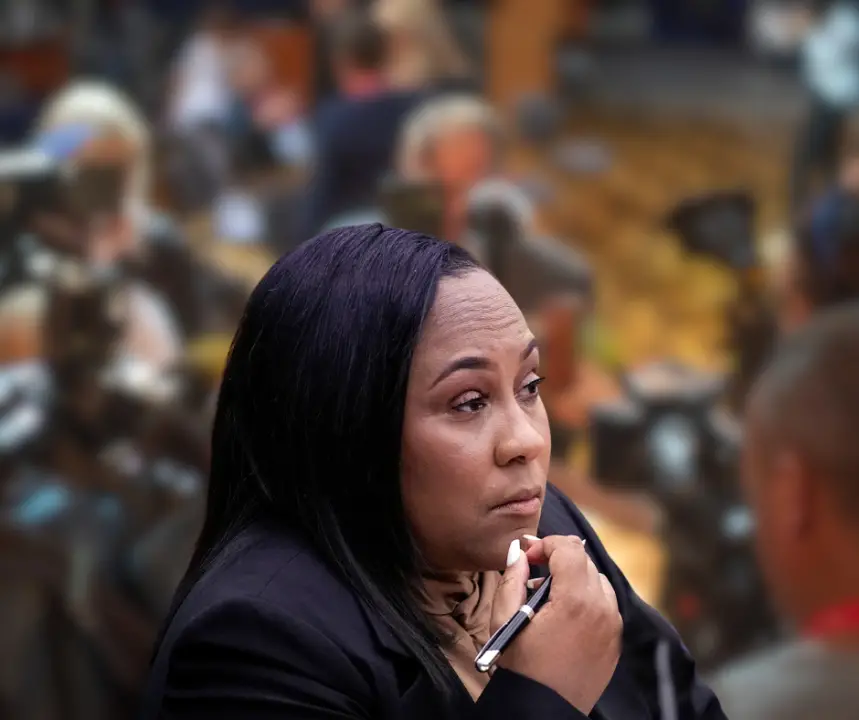
In a recent development, the Georgia House of Representatives passed House Bill 881, which could significantly impact Fulton County District Attorney Fani Willis. The bill, which passed 95–75 along mostly party lines, aims to re-establish a commission with the authority to discipline and potentially remove prosecutors. The bill is currently under Senate consideration.
The legislation comes amid the ongoing scrutiny of Willis’ involvement in the case against former President Donald Trump, particularly following allegations of her inappropriate relationship with special prosecutor Nathan Wade. The move to pass the bill follows an earlier unsuccessful attempt to set up the Prosecuting Attorneys’ Qualifications Commission, which was hindered by the state Supreme Court’s concerns over regulating district attorneys externally.
Representative Joseph Gullett, a Republican from Dallas and the bill’s sponsor, stated, “This commission is crucial for holding rogue prosecutors accountable for any misuse of their office.” However, Democrats view the bill skeptically, regarding it as a Republican strategy to undermine Democratic voters’ choices and impede active investigations.
Controversy surrounds Willis over accusations of an extramarital affair with Wade, who has reportedly billed taxpayers $654,000 since January 2021. The claim was brought forth in a court petition by Michael Roman, a co-defendant with Trump. Allegations include Wade billing for a full day’s work on single occasions and Willis benefiting from his taxpayer-funded salary.
Addressing these accusations publicly for the first time, Willis spoke at an Atlanta church service. She highlighted the unique challenges faced by Black women in leadership and asked for leniency to be allowed to make mistakes.
In response, Trump’s legal team filed a motion seeking the removal of Willis, Wade, and her office from the case. They argued that Willis improperly introduced race into the proceedings and accused her of promoting discrimination.
The Georgia legislature’s decision reflects ongoing tensions and political maneuvering in high-profile legal matters. The situation highlights the complex interplay between political forces and legal processes, underscoring the delicate balance of power in such cases.