
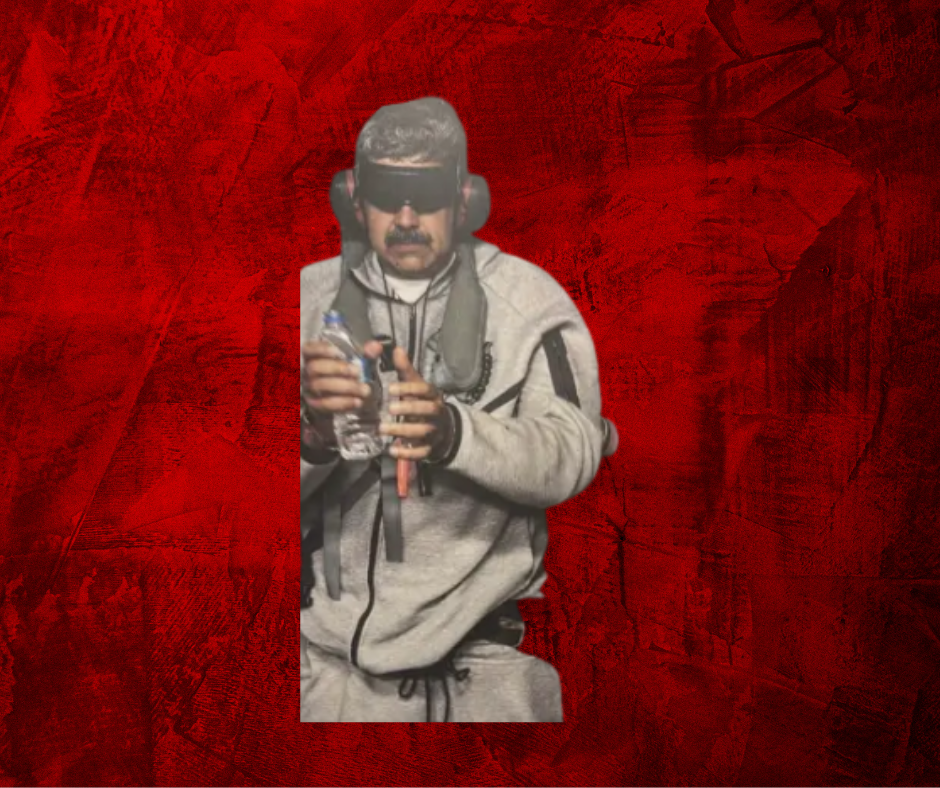
World leaders from several regions have expressed unease following the U.S. arrest of Venezuelan leader Nicolás Maduro, raising diplomatic concerns even as American officials point to legal grounds for their actions.
In response to the high-profile operation that removed Maduro from power, some foreign governments issued statements questioning the legitimacy and potential repercussions of the move. Officials in Europe, Latin America, and elsewhere conveyed alarm over how the arrest might affect regional stability and international norms regarding sovereignty and the use of force.
Despite the criticism, U.S. authorities maintain that the operation was conducted within a legal framework, asserting that international law and existing mandates justified steps taken against Maduro, who faced longstanding accusations related to corruption, human rights abuses, and undermining democratic institutions.
The diplomatic reactions illustrate a split in global perspectives: while Washington and its allies framed the capture as a necessary action to support democratic transition in Venezuela, other capitals warned that the approach could set a complex precedent for interventions in sovereign nations.
Some leaders emphasized the need for dialogue and multilateral cooperation in addressing governance crises, urging diplomatic solutions over unilateral enforcement actions. Others acknowledged the legal rationale cited by U.S. officials but stopped short of full endorsement, signaling caution about broader implications for international relations.
The unfolding debate underscores the challenges of balancing legal justification, moral imperatives, and geopolitical sensitivities in responses to contested leadership and governance failures. As the world absorbs the fallout from Maduro’s removal, diplomatic engagement and discussions about norms of intervention are likely to continue among global capitals.