
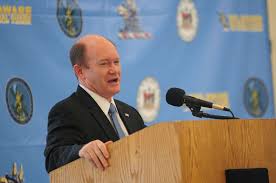
Senators from both parties engaged in a televised showdown this week over whether to extend pandemic-era subsidies under the 2010 health care reform law—a key sticking point in ongoing funding talks.
Democratic lawmakers argued the enhanced tax credits must continue to prevent millions of Americans from losing access to affordable health plans as the current government shutdown drags on. They warned that letting the subsidies expire at the end of the year would spark a spike in premiums and jeopardize coverage for millions.
Republicans countered with sharp rhetoric, insisting the expanded benefits were designed for emergency relief during the pandemic and now carry an annual price tag of more than $30 billion. Critics said anchoring the subsidies to coronavirus-era logic was “out of step” and must be treated as a separate negotiation from reopening government.
Senate Republicans also emphasized that efforts to pass a stand-alone extension of the credits without broader reforms are unlikely to gain enough support in a chamber where 60 votes are required. They argued that plugging the health care gap means reducing costs—not simply extending spending.
As both sides dug in, the broader stalemate continued. The funding impasse has entered its third week, with thousands of government employees furloughed, essential services shut down, and no resolution yet in sight. Analysts say the outcome of the subsidy fight could shape not only the current budget negotiations but also the health care system and the national deficit for years to come.