
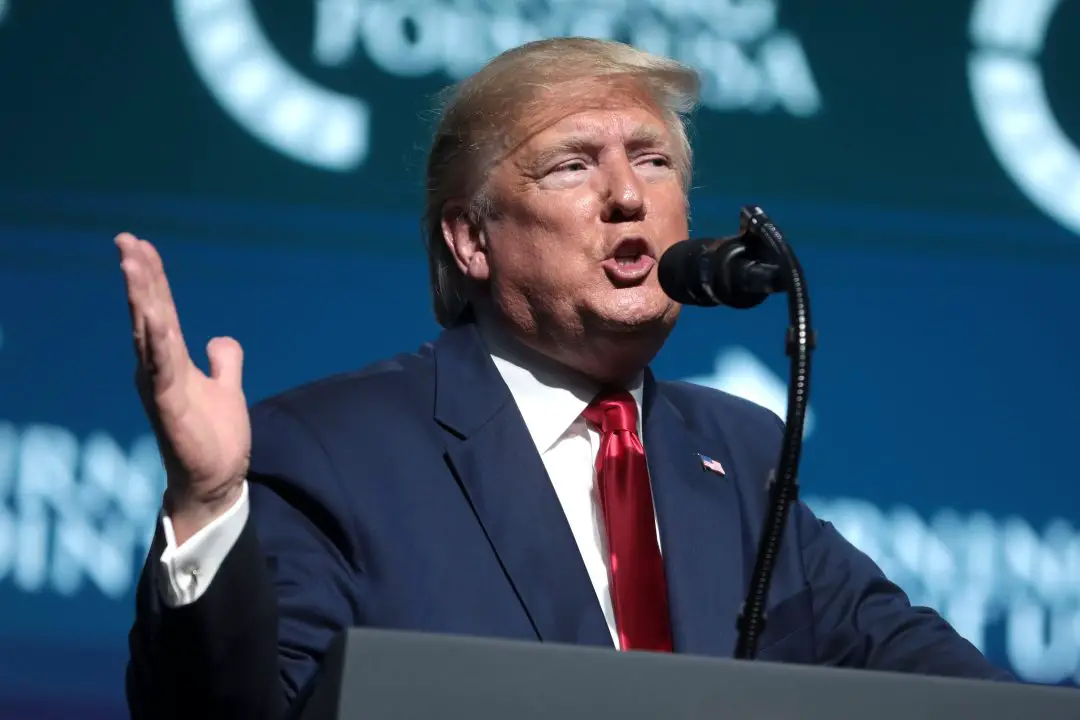
Top U.S. lawmakers and Supreme Court justices have shaken up a key part of former President Donald Trump’s trade strategy by ruling that he overstepped his authority in imposing broad, global tariffs under emergency powers. The decision has drawn private praise from some Republicans who welcomed the reinforcement of constitutional limits on executive action.
In a highly anticipated 6–3 decision, the Supreme Court concluded that Trump did not have statutory authority to levy sweeping tariffs on imports from around the world using a national emergency law. The majority opinion underscored that tariff-setting is a power reserved for Congress, a point that resonated with several Republican lawmakers who had long questioned the scope of the administration’s trade moves.
Behind closed doors and in private comments, some GOP lawmakers expressed relief at the ruling, saying it reaffirmed the constitutional balance between legislative and executive branches and preserved Congress’s role over trade policy. One aide was blunt in describing the tariffs, while others said enforcing tariffs without clear legal backing would have set a troubling precedent.
The court’s ruling invalidated most of Trump’s tariff measures, marking a significant setback for a centerpiece of his economic agenda aimed at countering trade deficits and boosting U.S. industry. The decision has triggered broader discussions among Republicans about future trade policy and the limits of presidential authority.
President Trump reacted angrily to the ruling, publicly denouncing the justices who sided against him and asserting that he would seek alternative legal avenues to maintain tariff pressure on foreign competitors. His response highlights the ongoing tension between the executive branch’s ambitions on trade and judicial interpretations of constitutional authority.
The ruling has also sparked debate among business groups, economists and lawmakers across the political spectrum about the implications for tariff revenue, international trade relations and the administration’s ability to respond swiftly to global economic challenges. As the fallout continues, Republican voices both inside and outside the Capitol are reassessing the role of tariffs in U.S. economic policy and the appropriate mechanisms for enforcing them in the future.