
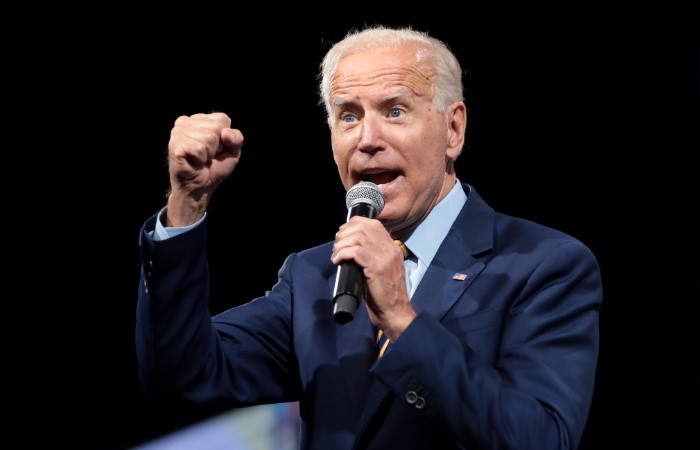
President Biden delivered an address from the Oval Office, addressing two global conflicts: Israel’s conflict with Hamas and Russia’s ongoing fighting in Ukraine. He pledged that the United States would not remain on the sidelines in these conflicts.
However, his speech faced criticism, with some Republicans and other critics accusing him of trying to resolve problems that they believe he contributed to. They also accused him of using the Israeli-Palestinian conflict to request additional funding for the situation in Ukraine.
One Republican presidential candidate, Nikki Haley, criticized Biden for being weak in Afghanistan, slow in responding to Ukraine, and pandering to Iran. She argued that the world is facing crises and needs strong leadership.
Sen. Tim Scott, another potential Republican nominee, highlighted the financial aid provided to Iran and said it was undeniable that the United States had given money to the leading state sponsor of terrorism.
Critics argued that Biden’s speech, which mainly focused on Ukraine, should have given more attention to the Israel-Hamas conflict. They believed it was crucial for Biden to send a clear message to Iran about the consequences of supporting terrorist groups.
Some criticized Biden for patting himself on the back for being the first U.S. president to visit a war zone and found the speech to be disorganized.
In summary, President Biden’s address was met with a mix of reactions, with some critics accusing him of weak foreign policy decisions, especially in the Middle East and Ukraine. Others believed he should have addressed the Israel-Hamas situation more extensively.