
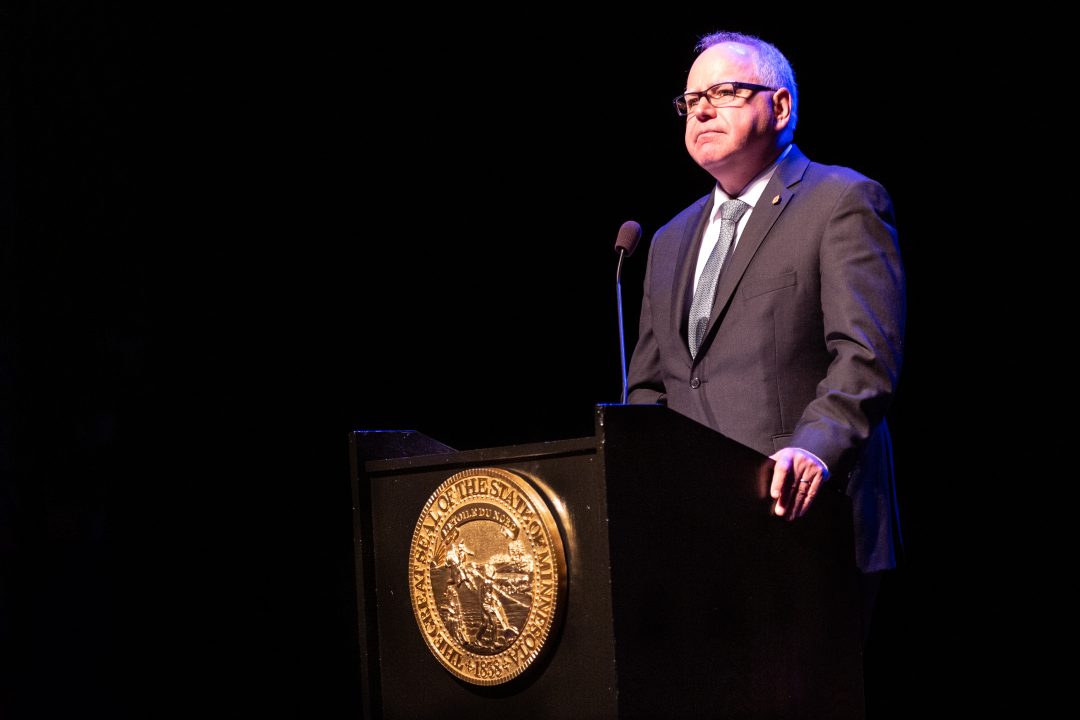
A Republican member of Congress has introduced new legislation called the Walz Act in response to a massive fraud scandal in Minnesota that resulted in billions of dollars in improper payments from state benefit programs.
The bill aims to tighten oversight of federal funding and prevent similar abuses in the future by imposing stricter accountability measures on state officials and program administrators. Its provisions include enhanced auditing requirements, increased transparency in claims processing, and stronger penalties for fraudulent activity.
The Walz Act is named after Minnesota’s governor, whose administration has faced criticism over oversight failures that allowed the fraud to proliferate across social service systems. Lawmakers sponsoring the bill argue that better federal safeguards are needed to close gaps that were exploited in the scandal.
Supporters of the legislation say it would improve cooperation between state and federal agencies, strengthen data verification processes, and ensure that taxpayer dollars reach legitimate beneficiaries rather than fraudulent operators.
The introduction of the Walz Act reflects growing concern among lawmakers about the scale of the financial losses and the need for reform in how government assistance programs are monitored and enforced. Debate over the bill’s specifics is expected as it moves through committee review.