
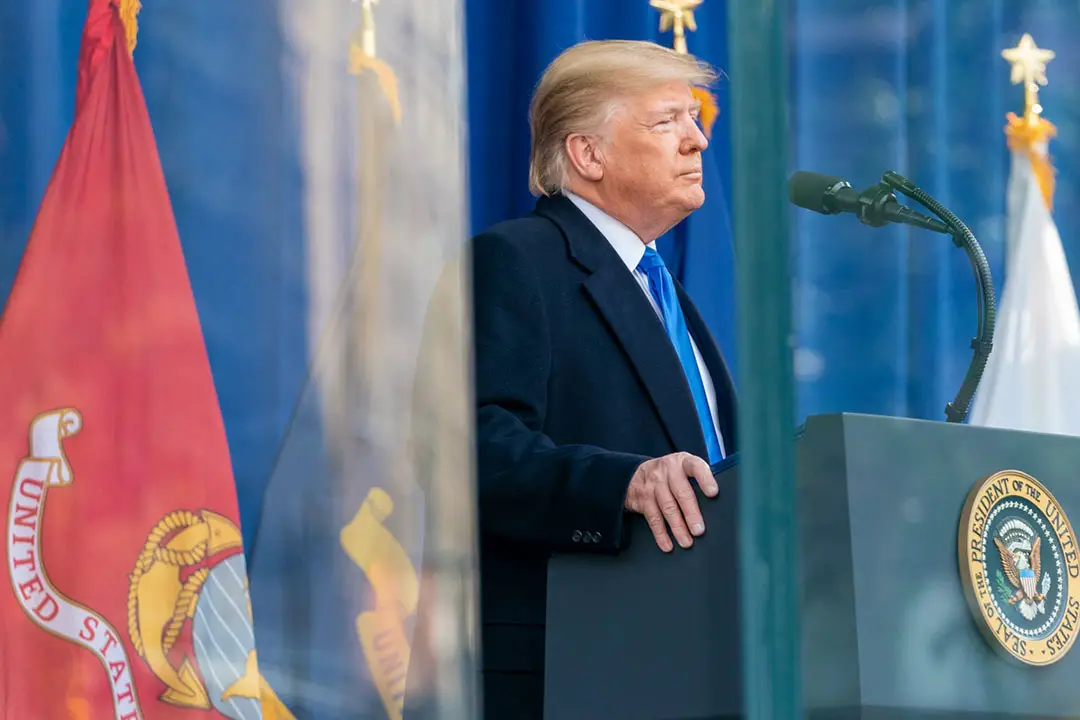
A group of Republican senators joined Democrats in the U.S. Senate to advance legislation aimed at restricting President Donald Trump’s ability to conduct military or law-enforcement actions in Venezuela without explicit congressional approval.
The bipartisan effort moved forward through a procedural vote that supports invoking the War Powers framework, reinforcing Congress’s role in authorizing sustained U.S. involvement abroad. The action followed heightened scrutiny after recent U.S. operations connected to Venezuela raised questions about the scope of executive authority.
Lawmakers backing the measure said it is intended to reaffirm constitutional checks and balances and prevent unilateral military engagement without debate or authorization from Congress. They emphasized that the resolution does not undo past actions but seeks to limit future operations unless lawmakers formally approve them.
The White House opposed the move, arguing that it could constrain the president’s ability to respond quickly to international threats and protect U.S. interests. Administration officials maintained that the president retains broad authority as commander in chief.
The resolution still faces additional legislative steps, including potential consideration in the House and the possibility of a presidential veto. Even so, the vote highlighted rare bipartisan alignment and ongoing tension between Congress and the executive branch over foreign policy powers, particularly in the context of Venezuela.