
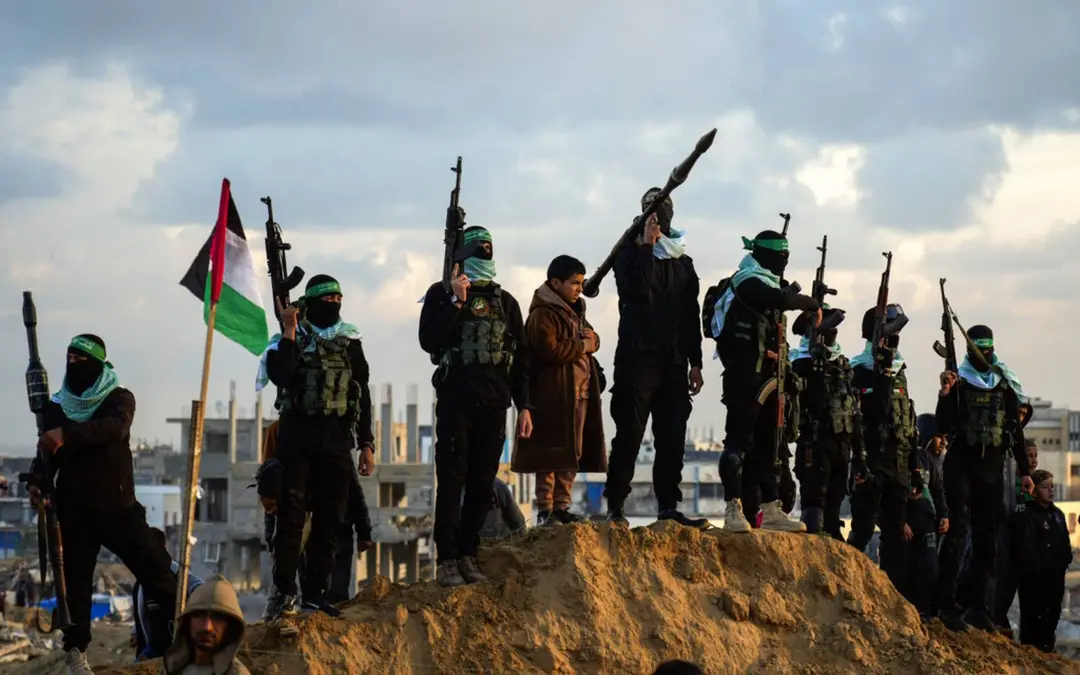
Hamas leadership announced that it has agreed to adopt significant portions of President Donald Trump’s proposed 20-point peace framework for Gaza, marking one of the first signs of movement toward a negotiated settlement since the latest round of hostilities erupted.
The group confirmed it will comply with provisions requiring the release of Israeli hostages and supports the transfer of Gaza’s civil administration to a council of independent Palestinian technocrats. This move is intended to create a governing structure separate from military operations, while laying the groundwork for long-term stability in the territory.
Despite those concessions, Hamas rejected outright disarmament, one of the most critical requirements in the Trump plan. Officials said discussions remain ongoing about the future of security in Gaza, including whether international peacekeepers or regional actors would take part in enforcement.
President Trump hailed Hamas’s partial acceptance as “a step toward peace,” and he urged Israel to halt military strikes to allow negotiations to proceed. He framed the agreement as evidence that his administration’s pressure campaign is working, while reiterating that both sides must act quickly to prevent further civilian casualties.
Israeli officials responded cautiously, welcoming the hostages’ release provision but emphasizing that Hamas’s refusal to disarm remains a serious obstacle. Analysts note that without demilitarization, the plan faces an uphill battle for acceptance in Israel’s security cabinet.
The Trump administration has given Hamas a short timeline to finalize its commitments, warning that failure to meet key benchmarks could derail progress. Observers say the coming days will be crucial in determining whether this breakthrough opens the door to a lasting ceasefire—or whether the talks will collapse under the weight of unresolved demands.