
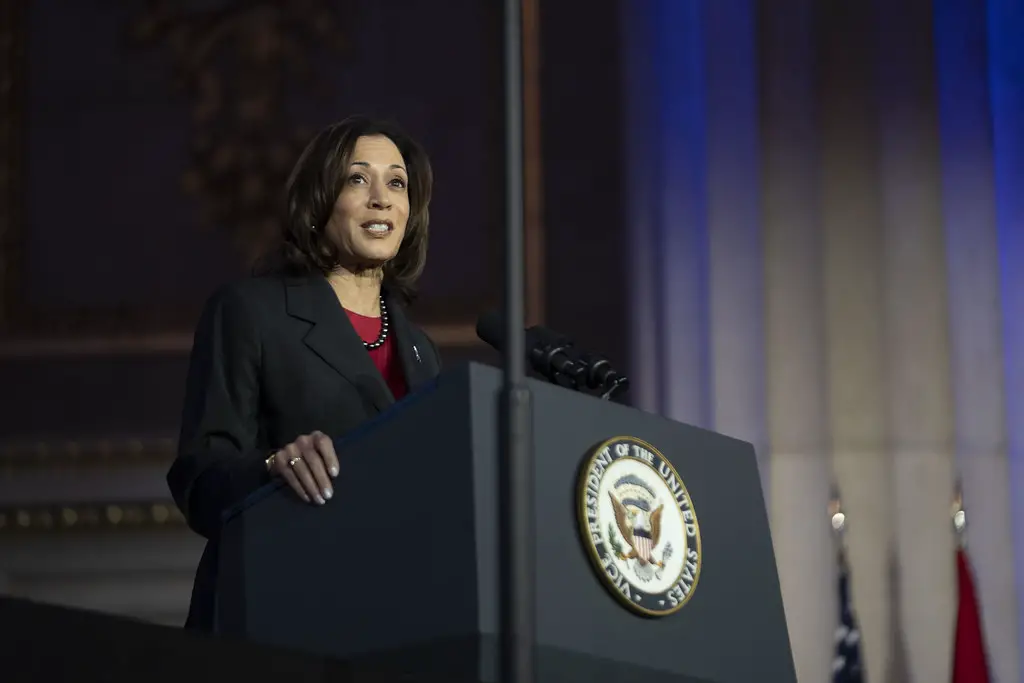
Senior advisers to Vice President Kamala Harris’s campaign have disclosed that internal polling consistently indicated she was trailing Donald Trump during the 2024 presidential race, contrary to some public reports suggesting otherwise. The revelation has raised questions about the accuracy of election forecasting and the strategies employed by Harris’s team.
According to campaign insiders, while external polls occasionally portrayed Harris as leading Trump in key battleground states, the campaign’s own data painted a more challenging picture. These internal findings reportedly guided the campaign’s efforts to focus resources on critical areas, though they ultimately proved insufficient to secure a victory.
The Trump team has expressed surprise at earlier reports showing Harris ahead, suggesting the discrepancy may have contributed to a misjudgment of voter sentiment. Analysts believe that such disparities highlight the complexities of modern polling, including varying methodologies and the difficulty of capturing the full scope of voter behavior.
Critics of Harris’s campaign argue that the reliance on conflicting data may have hindered decision-making and outreach efforts. Supporters, however, contend that the vice president faced unique challenges, including historical biases and a polarized political landscape, which made accurate polling more difficult to achieve.
The revelation underscores broader concerns about the reliability of polling as a tool in modern elections. As campaigns increasingly rely on data-driven strategies, the need for accurate, nuanced insights into voter behavior remains critical for shaping effective electoral approaches.