
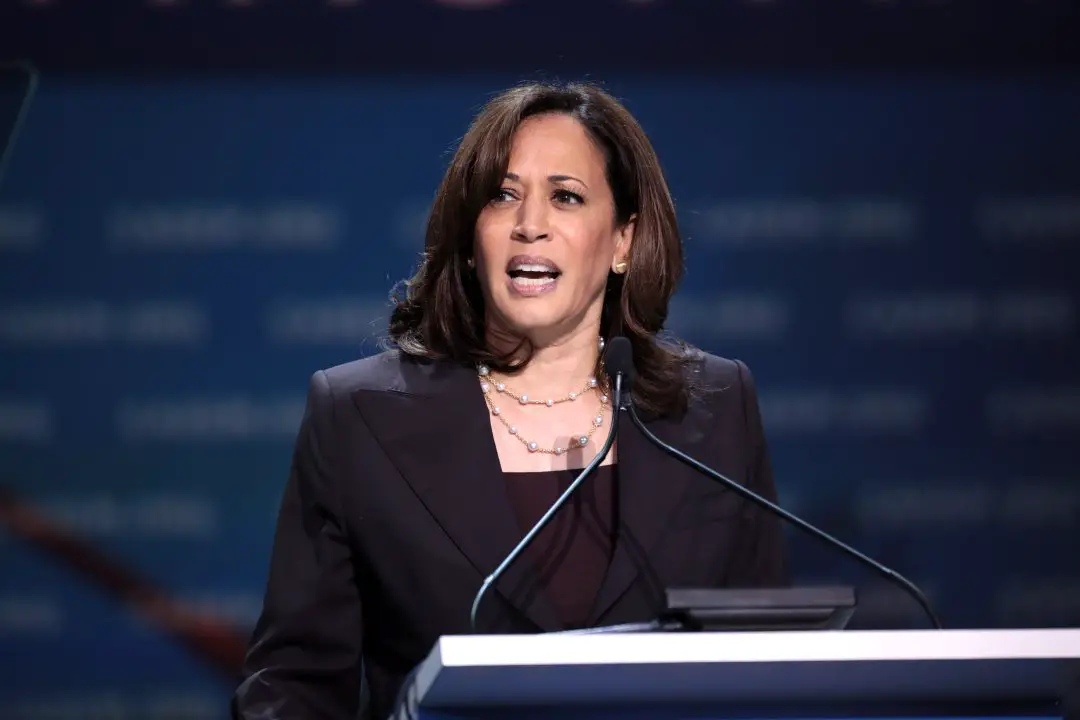
Former Vice President Kamala Harris faced a wave of criticism after incorporating youth-oriented slang into a recent public address, drawing reactions from political commentators and social media users.
During her remarks, Harris used informal language associated with younger generations in an apparent effort to connect with a youthful audience. However, critics argued that the terminology came across as awkward or out of place for the setting, leading to widespread ridicule online.
Supporters of Harris said the attempt reflected an effort to engage with younger demographics and make government messaging more relatable. Detractors countered that the usage appeared forced and did not align with her role or the tone expected of a national leader.
The exchange ignited debate across social platforms and media outlets, with some commentators questioning the broader strategy of integrating pop culture language into official communications. Others suggested that the backlash highlights generational gaps in political messaging.
Harris’s office did not immediately release a detailed response to the criticism, but aides have said in past contexts that the vice president aims to reach diverse audiences through varied communication styles. The incident underscores the challenges public figures face when adapting their language to resonate with different segments of the population.