
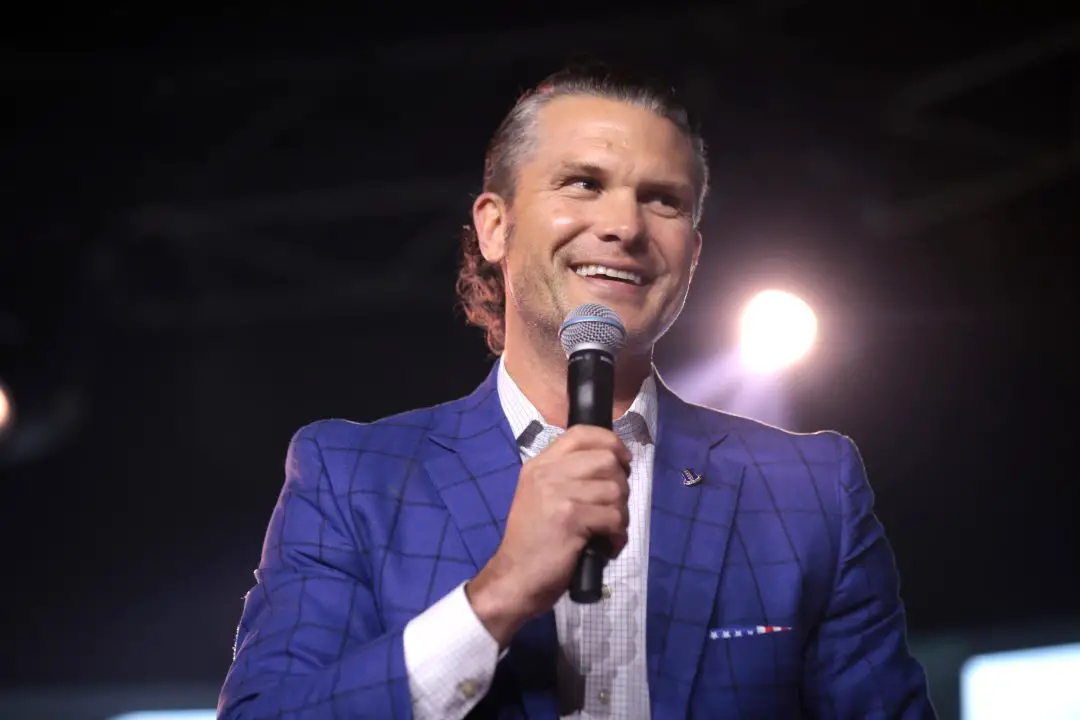
In public remarks today, Defense Secretary Pete Hegseth stated he would have authorized a second strike on a Venezuelan vessel suspected of drug smuggling — a strike that ultimately killed survivors clinging to the wreckage after an initial attack disabled the boat.
The first strike reportedly targeted a boat believed to be laden with narcotics, with surveillance showing the vessel’s destruction. When survivors were seen in the water, a follow-up attack was launched under military command — a decision that has sparked fierce debate over rules of engagement, maritime law, and the treatment of shipwrecked individuals.
Hegseth defended the night-time follow-up strike as a necessary measure, arguing it was essential to prevent evidence from being recovered by traffickers or alerting other smugglers. He claimed the boat remained a legitimate target despite its destruction, given the illicit nature of its mission.
However, critics — including naval legal experts and human-rights observers — say the second strike may violate international humanitarian law, especially protocols protecting survivors of shipwrecks. Congressional lawmakers have called for the full release of strike-footage and after-action reports.
The controversy over the strike decision adds to growing scrutiny of defense operations at sea, and raises broader questions about accountability, restraint, and legality in future maritime drug-interdiction missions.