
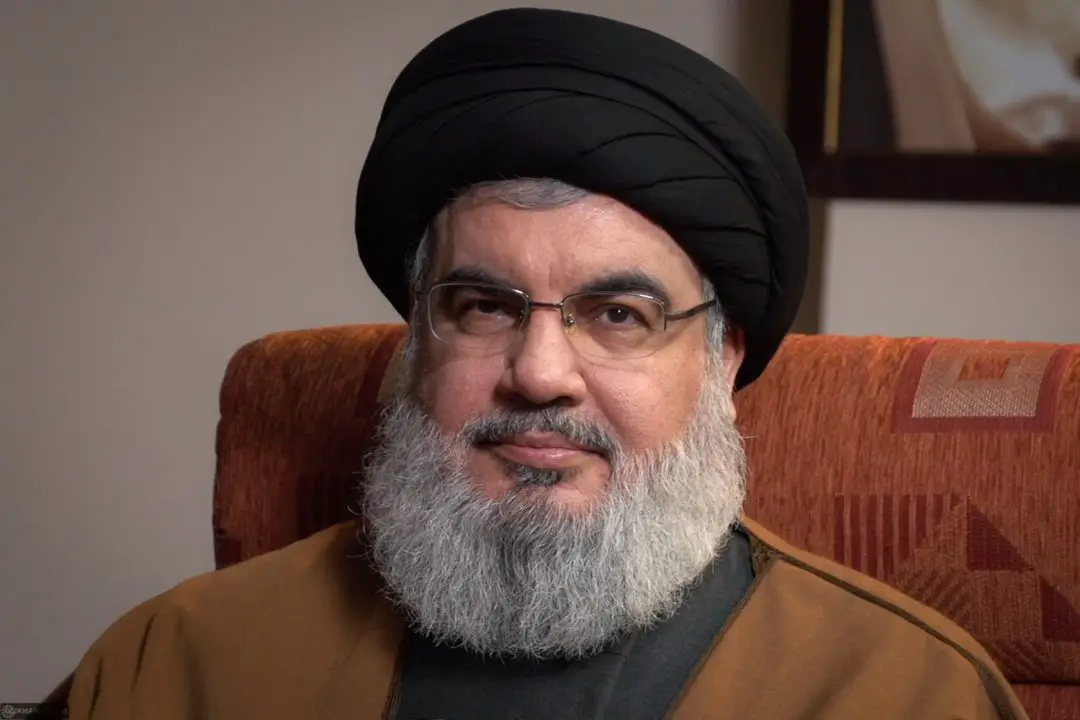
The Israeli military has reportedly confirmed that Hezbollah leader Hassan Nasrallah was killed in an airstrike in Beirut. According to initial reports, the strike targeted a location in the Lebanese capital, which has long been a stronghold for the Iranian-backed militant group.
Nasrallah, who has led Hezbollah for decades, was a central figure in shaping the group’s influence across the Middle East, often seen as a key player in Iran’s proxy wars throughout the region. His death, if confirmed, would mark a significant shift in the power dynamics of Hezbollah and could have far-reaching implications for the broader geopolitical landscape in the region.
The airstrike reportedly took place as part of ongoing Israeli military operations targeting Hezbollah’s infrastructure and leadership. Tensions between Israel and Hezbollah have been escalating for years, particularly along the Israel-Lebanon border, with both sides engaging in sporadic skirmishes. Israeli officials have long accused Hezbollah of stockpiling weapons and launching attacks from within Lebanese territory.
Nasrallah has been a controversial and polarizing figure. To his supporters, he was a symbol of resistance against Israel, but to his detractors, he was viewed as a dangerous figure responsible for perpetuating instability across the Middle East. Under his leadership, Hezbollah played a critical role in the Syrian Civil War, fighting alongside the Assad regime, and was implicated in numerous terror attacks targeting Israeli and Western interests.
In response to Nasrallah’s reported death, Israeli officials have remained relatively quiet, refraining from making any immediate public statements beyond the military’s confirmation of the strike. Meanwhile, Hezbollah has yet to officially acknowledge the incident, leaving uncertainty around the full scope of the operation and its aftermath.
The potential fallout from Nasrallah’s death could lead to heightened tensions across the region, with Hezbollah possibly seeking retaliation. Analysts warn that his death could spark a broader conflict, with Iran and its allies potentially responding to Israel’s actions.
As the situation unfolds, the international community will be closely watching how events develop, particularly given the fragile political climate in Lebanon and the broader implications for peace and stability in the Middle East. The death of one of the region’s most powerful militant leaders may mark a new chapter in the decades-long conflict between Israel and Hezbollah.