
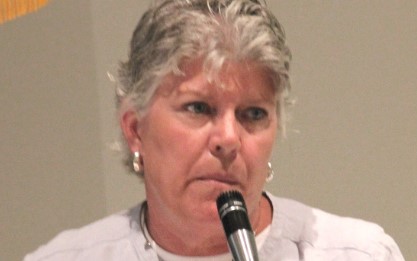
In a bold move aimed at reshaping federal law and embracing inclusivity, California Democrat Julia Brownley has unveiled a visionary bill that seeks to redefine the language surrounding marital relationships. Her groundbreaking legislation, known as the “Equality in Matrimony Act,” proposes the removal of gendered terms like “husband” and “wife” from federal statutes, paving the way for more inclusive alternatives such as “partner” and “spouse.”
Brownley, a passionate advocate for equality, recognizes the disparity between the landmark Supreme Court decision affirming the right of same-sex couples to marry and the existing outdated language within the U.S. Code. With an eye towards progress, she aims to bridge this gap and ensure that federal laws accurately reflect the diversity and fluidity of modern relationships.
In a statement released to the press, Brownley emphasized the urgent need for Congress to reaffirm its commitment to equality, particularly as conservative forces and regressive policies pose new challenges. By aligning federal statutes with the values of an inclusive society, she believes that the amended language will send a powerful message of acceptance and respect for all.
If enacted, the proposed revisions will ripple through a myriad of federal laws, transforming the legal landscape for millions of Americans. The “Equality in Matrimony Act” seeks to update key legislation, including the “Ethics in Government Act of 1978,” the “Family and Medical Leave Act of 1993,” and the “Federal Election Campaign Act of 1971,” among others, to reflect the evolving nature of marriage and relationships.
While attempts were made to obtain additional insights from Brownley’s office, no response was received by the time of publication, underscoring the urgent nature of this transformative bill.
This groundbreaking proposal arrives in the aftermath of a recent Supreme Court ruling that grappled with the delicate balance between LGBTQ+ non-discrimination and First Amendment freedoms. Widely seen as a setback for LGBTQ+ rights, the ruling has ignited fervent calls for expanding the court to safeguard the rights of marginalized communities. Justice Sonia Sotomayor’s passionate dissent exposed instances of discrimination and violence against the LGBTQ+ community, framing the decision as perpetuating a distressing second-class status. In response, Justice Neil Gorsuch dismissed Sotomayor’s dissent, highlighting a stark contrast in interpretations and perspectives.
As the conversation around equality evolves, Brownley’s innovative legislation sparks hope for a future where love knows no bounds and legal language embraces the diversity of human connections.