
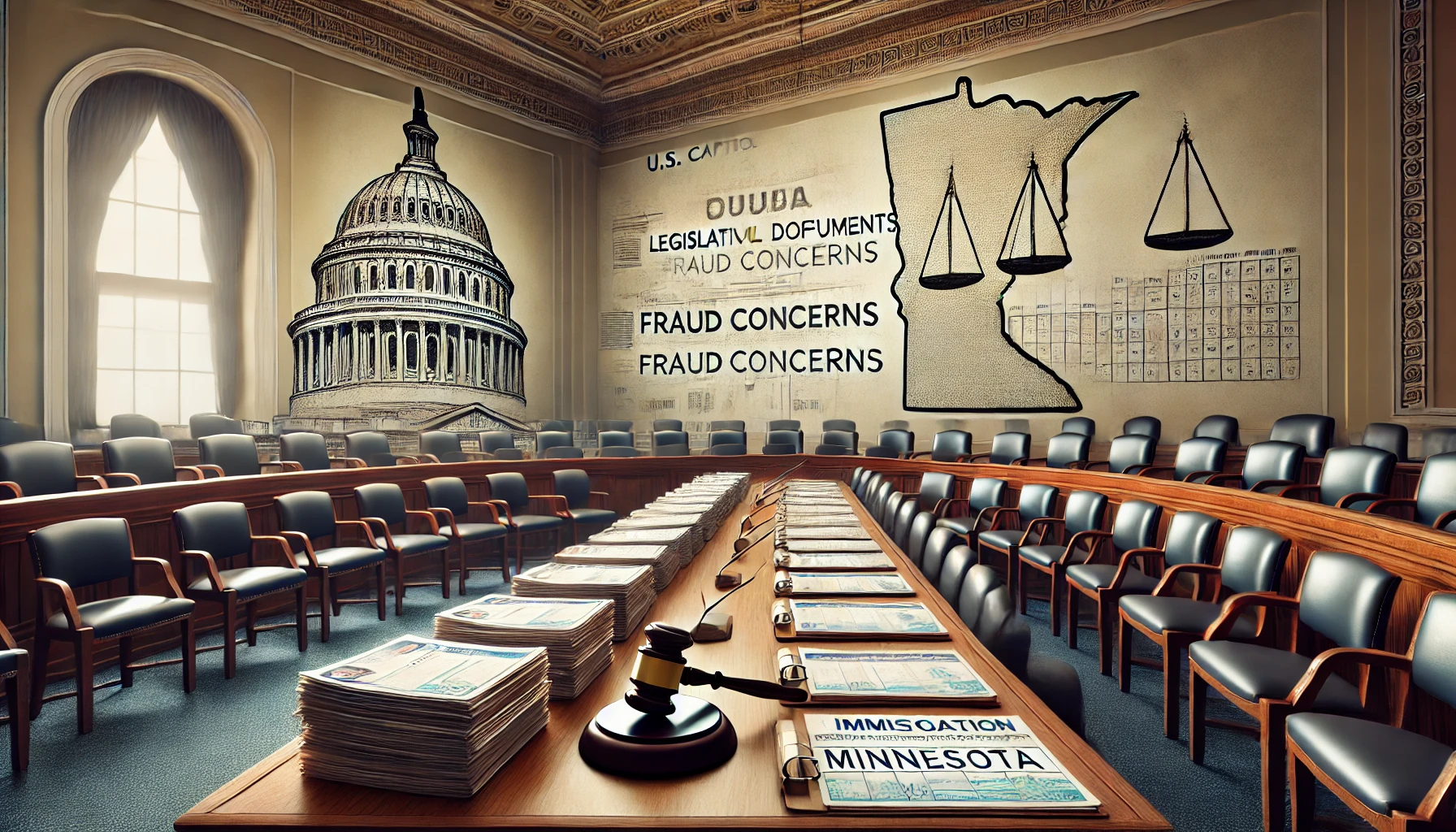
Republican lawmakers in the House of Representatives have put forward legislation that could lead to increased self-deportation among Somali refugees, tying the measure to ongoing concerns raised by a major Minnesota fraud investigation.
The proposed bill seeks to tighten immigration requirements and enforcement policies for refugees, particularly those from Somalia who settled in Minnesota and other U.S. communities. Under the draft legislation, individuals found to be participating in or benefiting from public assistance programs under questionable circumstances could face stricter review and potential loss of eligibility for certain protections.
Supporters of the bill argue it would reinforce accountability in the refugee resettlement system and discourage individuals from remaining in the U.S. if they are unable to meet tightened criteria or legal obligations. They say the measure would send a clear message that misuse of public resources carries tangible consequences.
Critics of the proposal contend that tying immigration policy to allegations of fraud in welfare programs unfairly targets refugee communities and could result in vulnerable families feeling compelled to return to countries where they face instability or danger. Democrats and immigrant rights advocates have voiced opposition, calling the bill punitive and raising concerns about its human impact.
The bill’s introduction comes as Minnesota continues to grapple with a wide-ranging investigation into alleged misuse of childcare and benefit funds, a probe that has drawn national attention and intensified scrutiny of government assistance programs.
As the legislation moves through committee review and debate, lawmakers from both sides of the aisle are expected to weigh in on its implications for immigration enforcement, refugee rights, and integrity in social support systems. The measure has already sparked a broader conversation about policy responsibilities and procedural safeguards in linking immigration status to fraud investigations.