
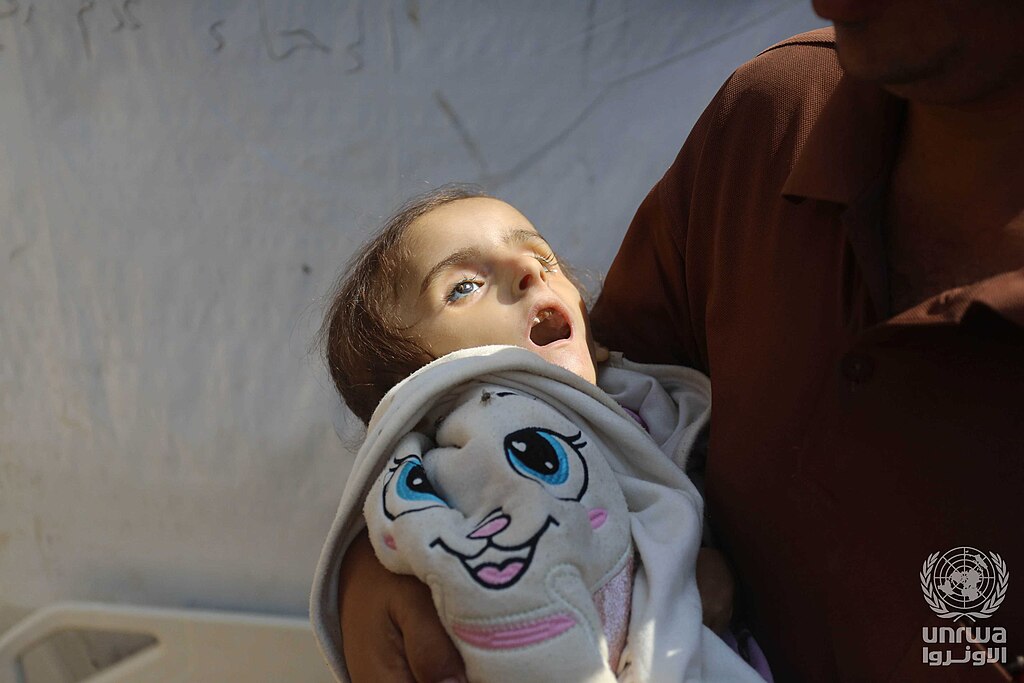
Months after dire warnings that Gaza was on the brink of full-scale famine, the global conversation has rapidly shifted, leaving many wondering what actually happened on the ground. Humanitarian agencies had sounded alarms that hundreds of thousands faced catastrophic food scarcity, yet discussion of a famine has faded far faster than experts expected.
The abrupt change has raised several pressing questions. Some analysts suggest the original projections may have overstated how quickly famine conditions would fully take hold. Others point to the possibility that food deliveries and aid flows—whether through official channels or improvised networks—improved more rapidly than anticipated, easing the most extreme shortages. There is also concern that the shift may be a matter of attention rather than reality: the humanitarian crisis may still persist, but with less media focus, public perception has changed even if the suffering has not.
The core argument emerging from the debate is that transparency matters. If the situation was as severe as described, a sudden disappearance of the famine narrative demands explanation. And if conditions have genuinely improved, clarifying the factors behind that progress is equally essential. For aid groups and governments alike, accurately portraying crises helps ensure that resources, public trust and global focus align with the true needs on the ground.