
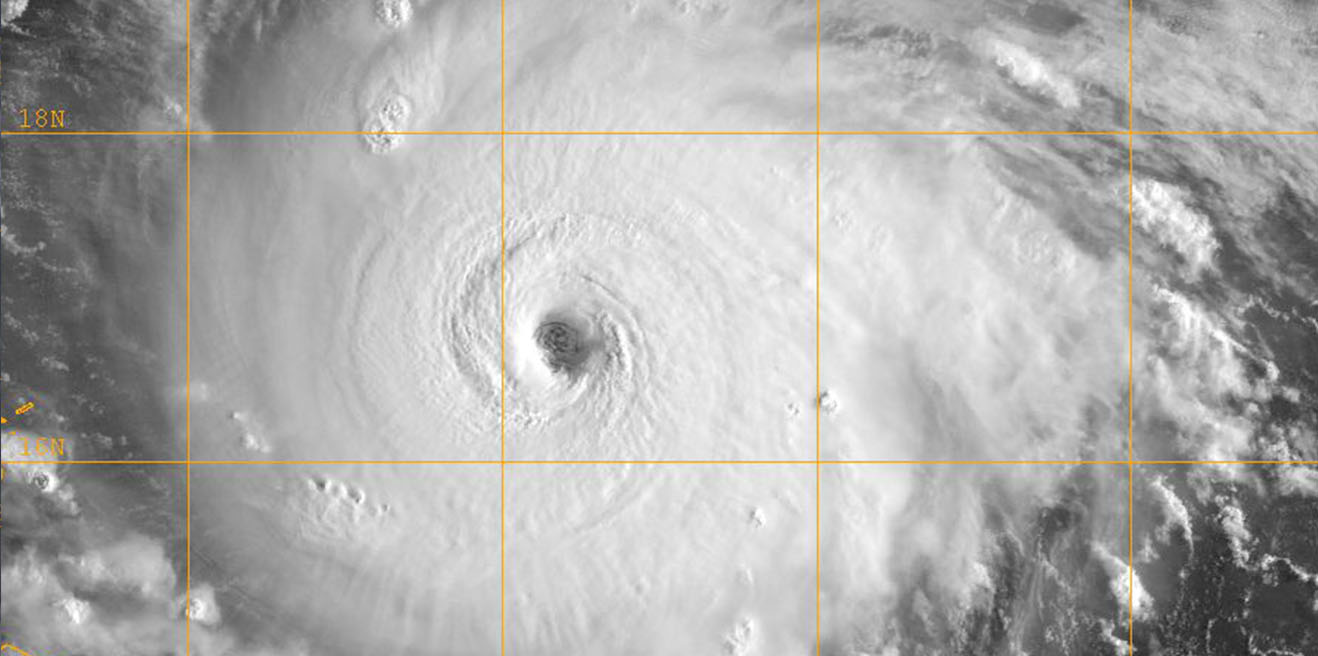
Hurricane Idalia has made a forceful landfall in Florida’s Big Bend region, emerging as a formidable Category 3 storm. The hurricane reached the Keaton Beach area around 7:45 a.m., still holding its classification as a “major” hurricane with maximum sustained winds clocking in at 125 mph, as per the National Hurricane Center (NHC).
Although hurricane-force winds are extending 25 miles from the storm’s center, the influence of its tropical storm-force winds can be felt up to a distance of 175 miles from that point. As of 9:00 a.m., Idalia’s maximum sustained winds have lessened to 110 mph.
With great urgency, the NHC has issued a warning about rapidly increasing water levels along the coast of the Florida Big Bend. A tide gauge at Cedar Key monitored by the NOAA National Ocean Service reported a water level of 5.9 feet above the mean higher high water level, indicative of inundation in the area.
In its 8:00 a.m. update, the NHC projected the hurricane’s eye to move into southern Georgia later on Wednesday afternoon or evening, subsequently tracing along the coasts of the Carolinas. The forecast anticipates that the hurricane will preserve its status as it reaches Georgia.
Prominent meteorologist Jim Cantore shared videos from Cedar Key, capturing the region’s catastrophic flooding, which has submerged standing structures underwater.
Governor Ron DeSantis highlighted the NHC’s expectation of storm surges reaching heights of up to 16 feet in some locales, a situation that officials have identified as “life-threatening.”
Adding a unique aspect to the situation, meteorologists have pointed to a rare occurrence of a blue supermoon, which could potentially elevate tides beyond normal levels, just as Hurricane Idalia relentlessly impacts the coastline.