
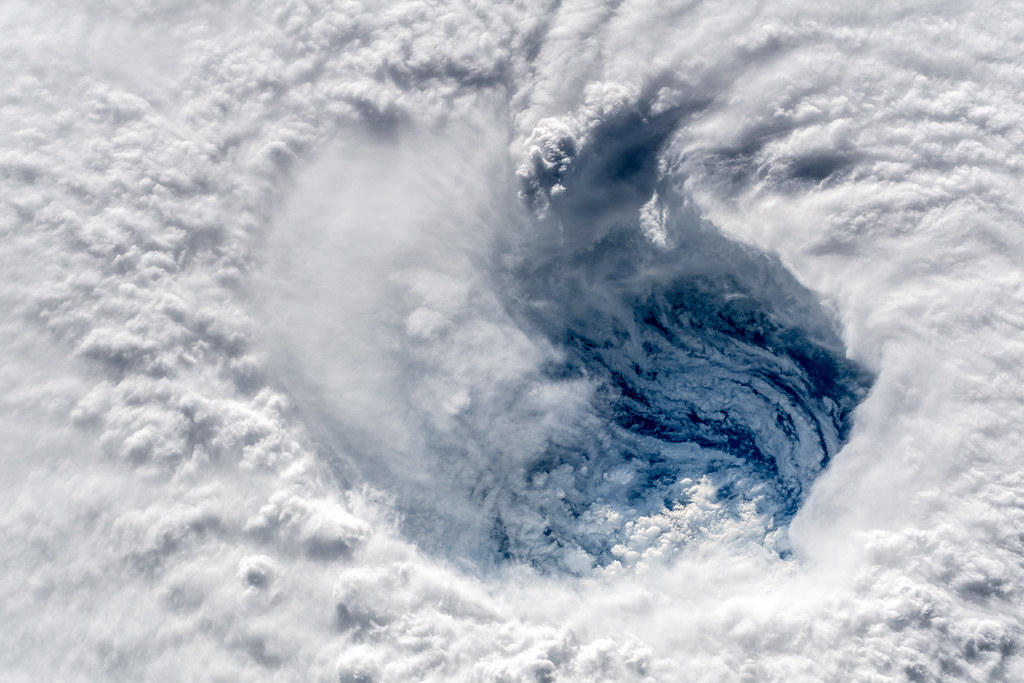
Hurricane Melissa struck Jamaica on Tuesday as a powerful Category 5 storm, bringing winds exceeding 175 mph, torrential rain, and destructive storm surges that overwhelmed coastal communities. The massive hurricane, one of the most powerful ever recorded in the Caribbean, has left widespread devastation across the island, crippling infrastructure and isolating several parishes.
Initial reports indicate that St. Elizabeth Parish and parts of Clarendon suffered extensive flooding, with many towns submerged after rivers overflowed. Power outages spread rapidly across the country as transmission lines collapsed under fierce winds. Communication networks also went down in multiple regions, hampering rescue operations and leaving thousands unable to reach emergency services.
Prime Minister Andrew Holness declared a national emergency, ordering the deployment of military and disaster-response teams to the worst-affected areas. Schools, airports, and public offices have been closed indefinitely as authorities assess structural damage and begin relief efforts.
Meteorologists attribute Melissa’s explosive growth to unusually warm Caribbean waters, which fueled rapid intensification just before landfall. The slow-moving storm lingered over the island for hours, compounding destruction with heavy rainfall and flash floods that washed away bridges and blocked roads with debris.
Emergency shelters across Jamaica remain at capacity as residents seek refuge from ongoing winds and flooding. Officials have warned that full recovery could take months, with power restoration and infrastructure repair expected to be among the government’s top priorities once the storm passes.