
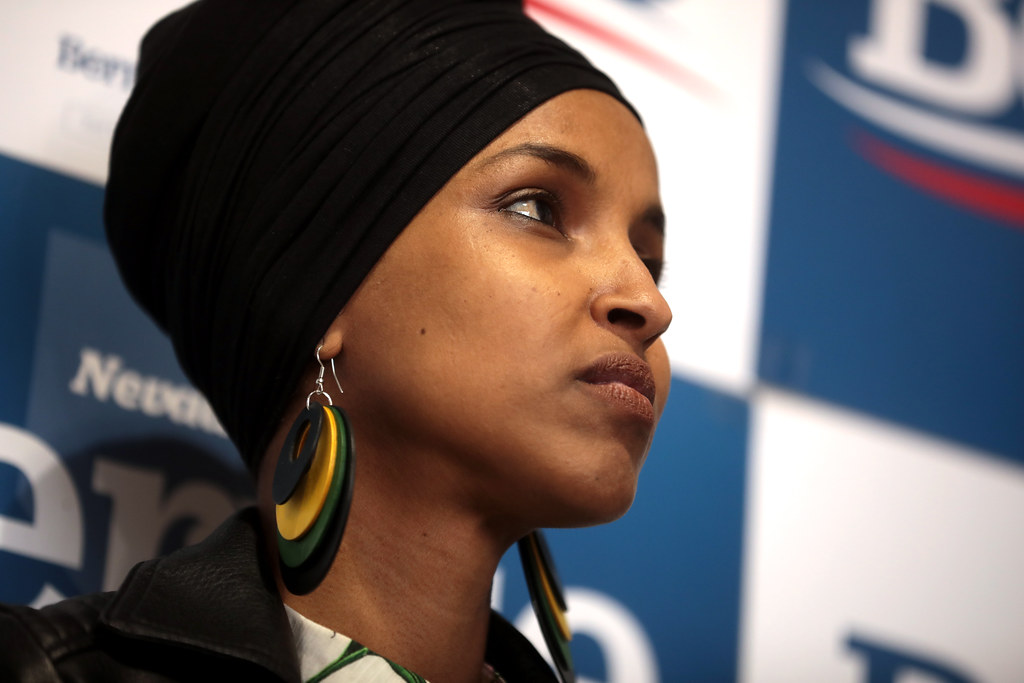
Representative Ilhan Omar has drawn attention to what she views as a contradiction among politicians who have previously labeled Donald Trump a threat to democracy but were present at his inauguration. Omar, a vocal critic of the former president, pointed out the apparent inconsistency, questioning how lawmakers could reconcile their attendance with their past statements condemning Trump’s leadership.
In a recent public statement, Omar argued that participation in the ceremony sends mixed signals to the public, undermining the concerns that were previously raised about Trump’s policies and actions. She emphasized the importance of maintaining a consistent stance, urging fellow lawmakers to remain steadfast in their commitment to democratic values.
Supporters of Omar’s perspective believe that attending the inauguration legitimizes Trump’s return to power, despite previous warnings about his impact on democratic institutions. Critics, however, counter that attending such events is part of the democratic process and a sign of respect for the peaceful transfer of power, regardless of political differences.
Omar’s remarks have reignited debate within political circles about how elected officials should navigate relationships with administrations they oppose. As Trump’s new term begins, the tension between ideological opposition and institutional tradition continues to shape the political landscape in Washington.