
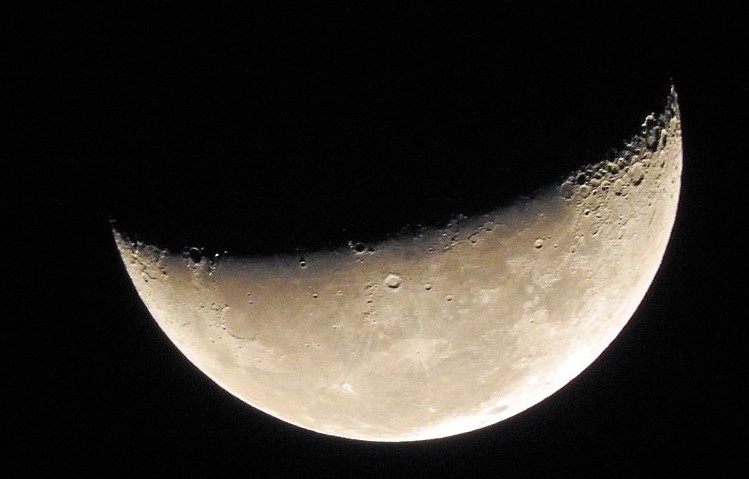
India’s successful landing on the moon’s south pole has garnered praise from NASA while Russia and China remain silent on the achievement. India’s Chandrayaan-3 made a soft landing at the moon’s South Pole, a feat that Russia and China have not accomplished yet. This achievement marks India’s emergence as a space power and demonstrates its commitment to space exploration.
Chandrayaan-3’s landing on the uncharted South Pole region holds significance as scientists believe it could contain important reserves of frozen water and precious elements. The mission, carried out by the Indian Space Research Organization (ISRO), has sparked excitement among space scientists and signals India’s progress in the space industry. The craft is expected to conduct various experiments during its two-week operational period, including analyzing the lunar surface’s mineral composition to detect water ice.
The success of Chandrayaan-3 comes after India’s earlier attempt with Chandrayaan 2 resulted in a crash due to a software glitch. Russia’s recent Luna-25 mission also failed to touch down on the South Pole, while NASA’s Artemis program aims to return astronauts to the moon’s south polar region by 2025, and China plans to establish a lunar outpost there.
India’s achievement is seen as a significant turnaround, showcasing the country’s development into an industrial powerhouse from its previous status as a third-world nation. The successful mission has generated excitement and pride among Indian citizens and leaders, including Prime Minister Narendra Modi, who expressed enthusiasm for India’s space exploration endeavors.
Chandrayaan-3’s landing on the moon’s South Pole holds the potential to contribute valuable data to lunar research and inspire future generations of scientists and researchers. The region’s challenging terrain and potential for resources like water ice have attracted the attention of various countries and private entities interested in future lunar missions.