
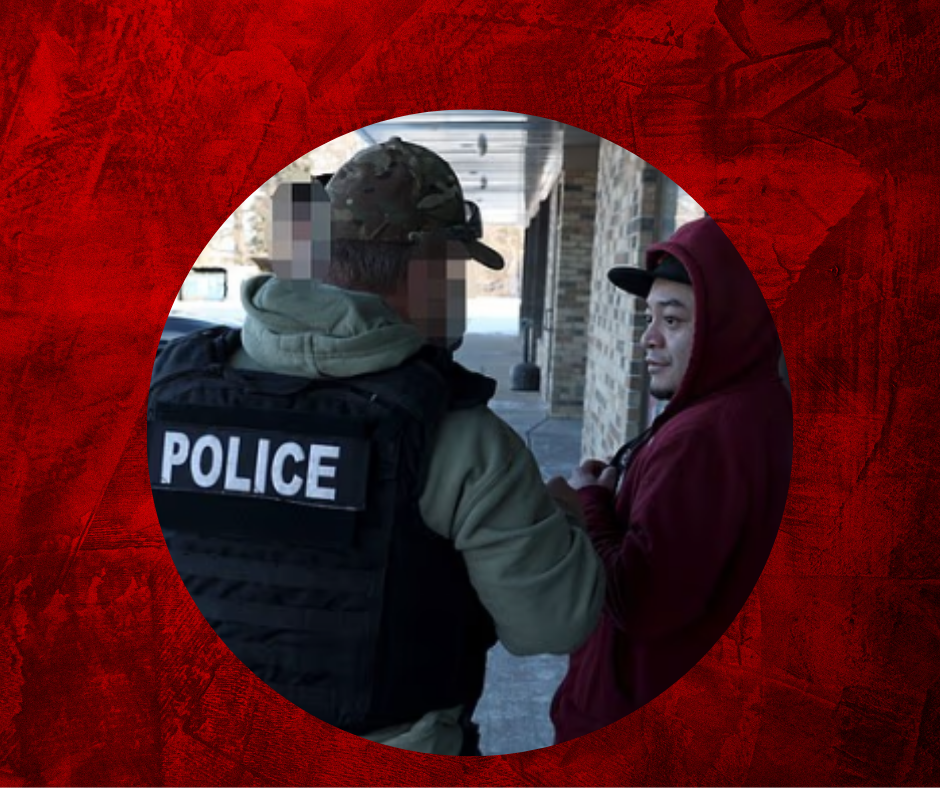
Federal immigration authorities carried out a wide-ranging enforcement operation across the Minneapolis–Saint Paul area, focusing on undocumented migrants identified by officials as having criminal records or pending charges.
The coordinated action involved U.S. Immigration and Customs Enforcement working alongside other federal agencies. According to officials, the operation was planned in advance and aimed at locating individuals already flagged in law-enforcement databases, rather than conducting random sweeps. Those taken into custody were transported to federal facilities for processing and possible removal proceedings.
Authorities described the effort as one of the largest immigration enforcement actions in the region in recent years and said its primary objective was public safety. They emphasized that targets included individuals accused or convicted of serious offenses, and that arrests were based on existing warrants or case files.
The raids sparked protests and heightened tensions in parts of Minneapolis, with community members and advocacy groups raising concerns about fear spreading through immigrant neighborhoods. Local leaders questioned the scale and visibility of the operation, arguing it had effects beyond those directly targeted.
Federal officials responded by reiterating that the focus remained on criminal cases and said operational guidance was being adjusted to reduce confrontations and limit engagement with bystanders. The Minneapolis raids have since become a flashpoint in the broader national debate over immigration enforcement, public safety, and the balance between federal authority and community impact.