
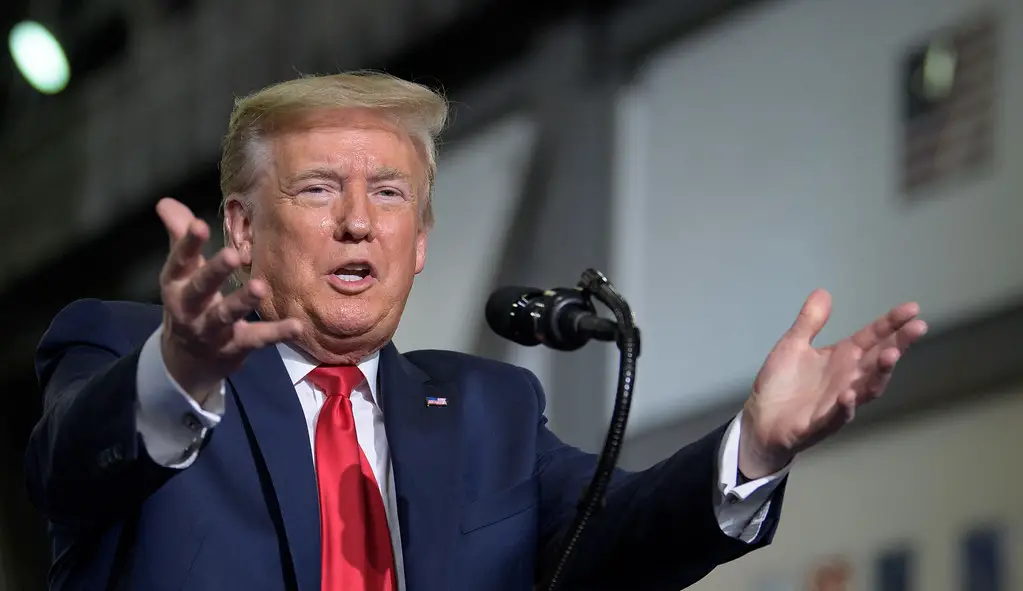
Tensions between the United States and Iran have intensified, with Tehran issuing sharper regional threats at the same time as President Donald Trump signals he is open to direct diplomatic engagement.
Iranian officials have publicly warned of consequences for U.S. actions in the Middle East, signaling that any military confrontation could trigger broader instability across the region. At the same time, accounts from witnesses inside Iran describe episodes of internal violence tied to protests and civil unrest, highlighting deep domestic pressures facing the Iranian government.
Trump, speaking from the White House, acknowledged both the heightened rhetoric from Iranian leaders and the potential value of dialogue. He said the U.S. is willing to pursue talks with Tehran in an effort to de-escalate the situation, while also maintaining that strong defensive measures are being positioned to protect American interests and allies.
The president’s remarks come as U.S. naval forces are moving toward the region, underscoring Washington’s emphasis on readiness even as diplomacy remains on the table. Trump characterized the dual approach — preparedness and negotiation — as necessary given the complexity of current threats and opportunities for reducing tensions.
The unfolding situation reflects a mix of aggressive posturing by Iran and a cautious U.S. willingness to engage, as both sides navigate the risks inherent in a volatile geopolitical landscape. Analysts say the coming days will be critical in determining whether talks can proceed in a meaningful way or if confrontation will intensify further.