
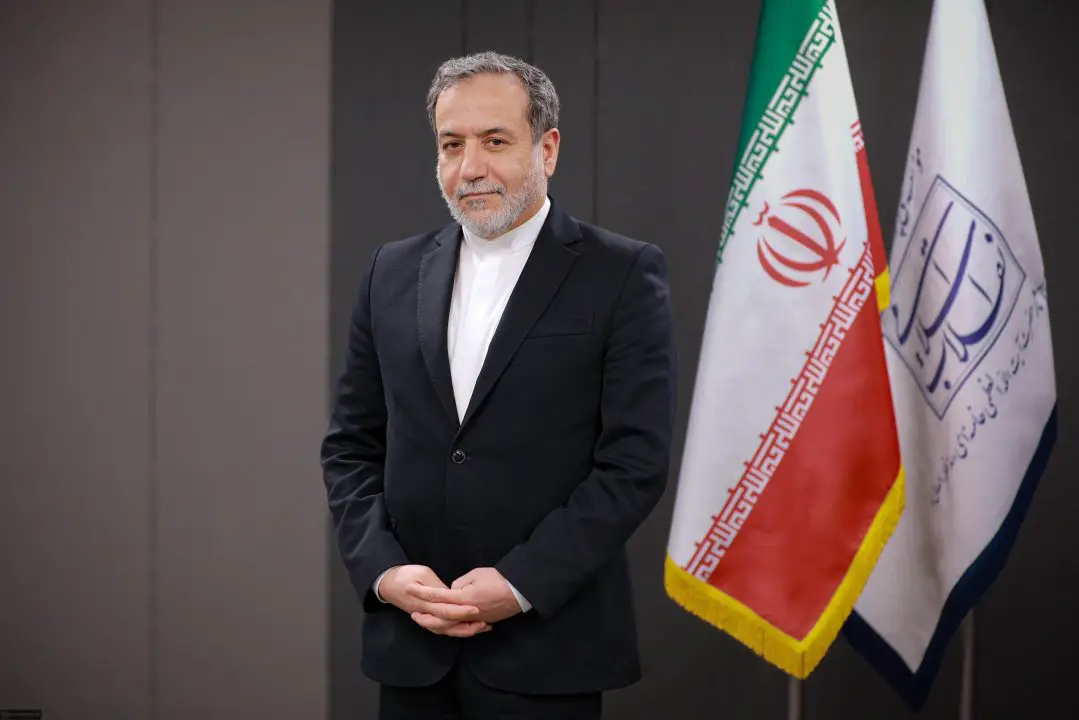
Iran’s foreign minister, Abbas Araghchi, confirmed that recent bombardments—by U.S. and Israeli forces—caused “serious damage” to key nuclear facilities, including uranium enrichment sites at Natanz, Fordow, and Isfahan. Nevertheless, he emphasized that Tehran will persist with its nuclear program, describing enrichment as a vital achievement in science and “a matter of national pride.” He added that Iran remains open to indirect diplomatic efforts, provided its nuclear autonomy is respected.
Araghchi noted that negotiations could proceed only if future attacks are firmly avoided and insisted any final agreement must allow continued enrichment on Iranian soil. He said facilities would be rebuilt and enriched uranium production restored, and firmly rebuked proposals that would prohibit Iran from pursuing its nuclear ambitions.
The renewed commitment comes after a 12-day military exchange, which included bunker-buster strikes on underground centrifuge halls. U.N. and IAEA representatives have confirmed severe setbacks, though some installations appear reparable. Iran has suspended cooperation with the IAEA and insists its nuclear pursuits are peaceful and independent of weapons development.
This development deepens tensions over Tehran’s nuclear intentions and raises critical questions about international oversight and enforcement.