
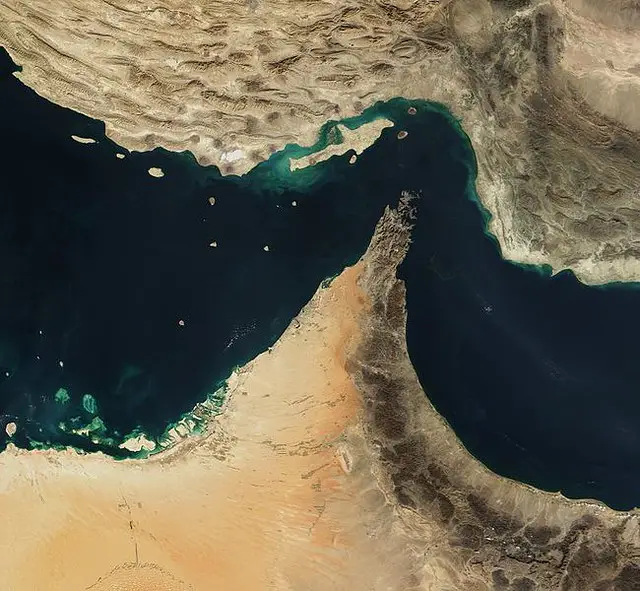
In a stark escalation following U.S. airstrikes on Iranian nuclear facilities, Iran’s parliament has voted to shut down the Strait of Hormuz—through which roughly one-fifth of the world’s oil shipments pass daily. This measure must be approved by the Supreme National Security Council before taking effect.
The decision comes as Iranian lawmakers denounce the U.S. strikes as “illegal” and warn of lasting consequences. Strategic military planners note Iran could deploy mines, missiles, or fast-attack boats to restrict tanker access.
Global markets immediately reacted: oil futures surged over 3%, and major energy analysts predict that a full closure—though unlikely—could push prices past $100 per barrel, disrupting international trade and fueling inflation. Consumers may also see higher fuel and energy costs in the months ahead.
The international community, including U.S. and EU leaders, has urged restraint, warning of economic turmoil. The U.S. Navy remains on high alert to ensure free navigation, underscoring the strategic importance of safeguarding maritime routes.