
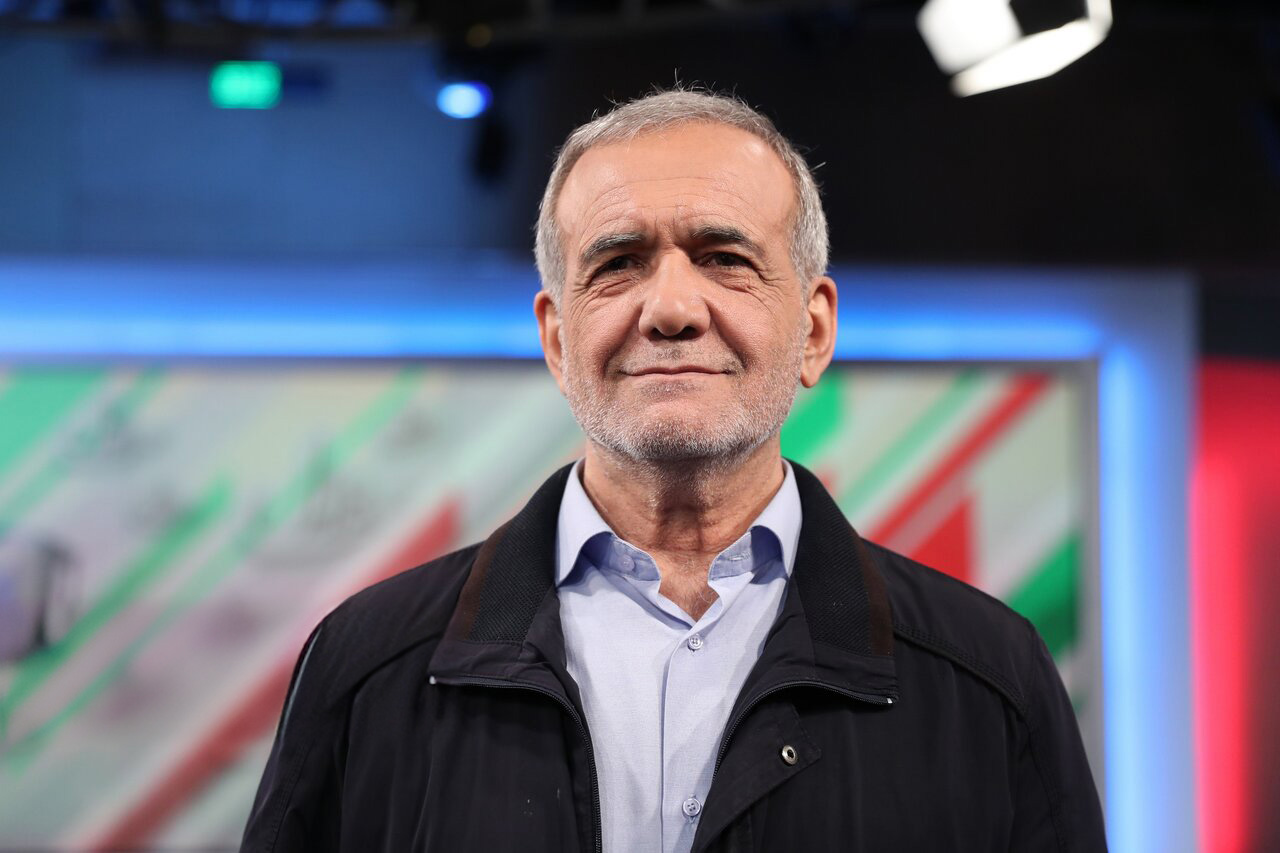
Iran’s president publicly stated that the nation is in a state of “total war” against the United States, Israel and European countries, signaling a dramatic escalation in rhetoric amid mounting geopolitical tensions.
In remarks delivered to a large audience, the Iranian leader used forceful language to assert that Tehran views its conflicts with those nations as comprehensive and long-term. He framed this stance as a response to what Iran perceives as ongoing pressure and hostility from Western powers and regional rivals.
The declaration reflects months of strained relations, including disputes over nuclear activities, economic sanctions, and military confrontations in the Middle East. Officials in Tehran have repeatedly criticized U.S. and allied policies, portraying them as aggressive actions against Iranian sovereignty and regional influence.
The president’s comments explicitly named the United States and Israel as primary targets of opposition, and included European governments for their alignment with U.S. positions on sanctions and diplomatic initiatives. By characterizing the situation as “total war,” Iranian leadership appears to be signaling that it will pursue its objectives across political, economic and ideological fronts — not solely through conventional military engagement.
International reactions to the statement were swift, with Western capitals reiterating their commitment to security and regional stability while condemning hostile rhetoric. U.S. and Israeli officials have maintained that they will continue coordinated efforts to counter perceived threats from Iran, especially in areas related to missile development and support for proxy militias.
European nations named in the speech have stressed diplomatic engagement and defense cooperation, balancing condemnation of aggressive language with calls for de-escalation. The United Nations and other global organizations have expressed concern about the escalation in public messaging and urged restraint from all sides.
The Iranian leadership’s declaration of “total war” marks a noteworthy intensification in public confrontation and underscores persistent fractures in diplomatic relations between Tehran and Western governments. The situation continues to evolve, with world capitals watching closely for further developments in rhetoric and action.