
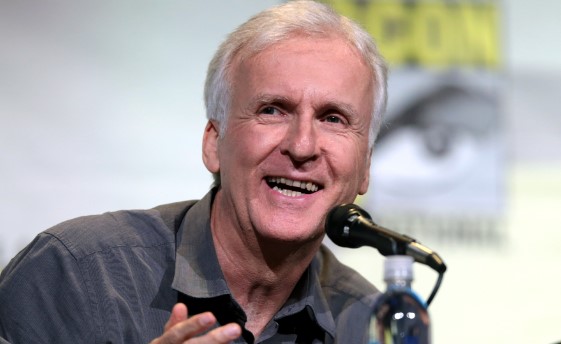
Titanic director James Cameron expressed his foresight regarding the implosion of the submersible Titan, days before its wreckage was discovered. He criticized the search efforts as a “prolonged nightmarish charade.” Cameron, an expert in submersibles who has extensively explored the Titanic wreckage, drew parallels between the recent tragedy and the 1912 disaster, where the captain ignored warnings about an iceberg.
The US Coast Guard announced that the five individuals on board the Titan were killed instantly when the submersible suffered a “catastrophic implosion” near the wrecked ocean liner, approximately 1,600 feet from the bow. Debris found on the ocean floor by a Canadian ship’s remotely operated submarine confirmed the incident.
However, officials suspect that the men likely perished before the military planes detected potential SOS signals in the water. The US Navy reported hearing a sound consistent with an implosion after losing communication with the submersible approximately two hours into its journey. This information was then relayed to the Coast Guard.
Speaking to BBC News, James Cameron stated that the search felt like a never-ending and surreal charade, with discussions about banging noises and oxygen levels. He explained that he was aware the submersible was situated precisely at its last known depth and position, which was precisely where it was found.
Court documents revealed that a former employee of OceanGate, David Lochridge, had previously raised safety concerns about the Titan submersible. Lochridge claimed wrongful dismissal after expressing worries about the company’s refusal to conduct critical non-destructive testing of the experimental design.
Cameron emphasized the similarity between the recent tragedy and the Titanic disaster, where repeated warnings went unheeded. He described it as astonishing that such a tragedy occurred at the same location, given the extensive diving activities taking place worldwide.
Expressing his immediate realization of what had happened, Cameron reached out to contacts within the deep submersible community. Within an hour, he gathered relevant information, including the submersible’s depth and position before its electronic systems, communication, and tracking transponder failed simultaneously.
The victims of the incident are OceanGate CEO Stockton Rush, French Navy veteran Paul-Henry Nargeolet, British billionaire Hamish Harding, and Pakistani businessman Shahzada Dawood and his 19-year-old son Suleman. The implosion of the submersible, which was paid to see the shipwreck, resulted in instantaneous fatalities.
Recovering their remains poses a significant challenge in the unforgiving deep-sea environment. Deep-sea expert Paul Hankin, involved in the search, stated that the debris discovered indicated a catastrophic implosion, and the prospects of finding remains remained uncertain.
Richard Garriott, president of the Explorers Club, to which Harding and Nargeolet belonged, paid a heartfelt tribute to the men. He expressed deep sadness and conveyed condolences to the families, emphasizing their invaluable contributions to science and exploration.
Rear Admiral John Mauger of the US Coast Guard, during a press conference, confirmed the discovery of debris consistent with the loss of the pressure chamber. He expressed condolences to the families and hoped the discovery would provide some solace.
OceanGate expressed its belief that its CEO Stockton Rush, Shahzada Dawood and his son Suleman Dawood, Hamish Harding, and Paul-Henry Nargeolet had tragically been lost. The company mourned the loss of these adventurous individuals who shared a passion for ocean exploration and conservation. They appreciated the support and resources provided by the international community during the mission.
David Mearns, a friend of two men on board, remarked that the only solace was the quickness of their deaths. The global rescue efforts continued even after the estimated oxygen supply window expired, with a determination to find the men.