
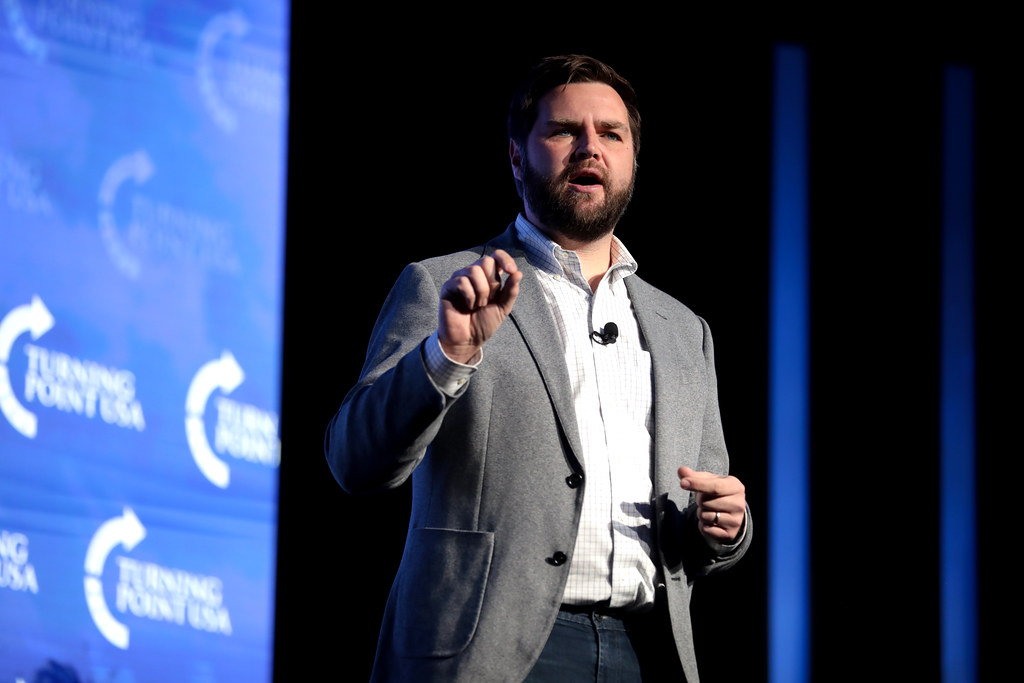
At the Munich Security Conference, U.S. Vice President JD Vance delivered a provocative address, asserting that Europe’s internal challenges, particularly censorship and suppression of free speech, pose a greater threat to its security than external adversaries like Russia or China. He emphasized the importance of upholding democratic values and criticized European nations for policies he perceives as limiting open discourse.
Vance highlighted instances where European governments have restricted speech, including the banning of certain political figures and the silencing of dissenting voices on social media platforms. He argued that such actions undermine the foundational principles of democracy and could lead to increased societal unrest.
In a lighter moment, Vance drew a comparison between tech entrepreneur Elon Musk and climate activist Greta Thunberg. He suggested that if the United States could endure a decade of Thunberg’s activism, Europe should be able to handle a few months of Musk’s critiques. This remark was in reference to Musk’s recent comments on European policies and his support for political movements challenging the status quo.
The Vice President’s speech has sparked a range of reactions from European leaders. Some officials expressed concern that Vance’s remarks could strain transatlantic relations and divert attention from pressing global security issues. Others acknowledged the need for a balanced approach to maintaining security while preserving individual freedoms.
This discourse comes at a time when Europe is grappling with complex challenges, including the ongoing conflict in Ukraine and debates over immigration policies. Vance’s comments have added a new dimension to these discussions, prompting both policymakers and the public to reflect on the balance between security and liberty in contemporary society.