
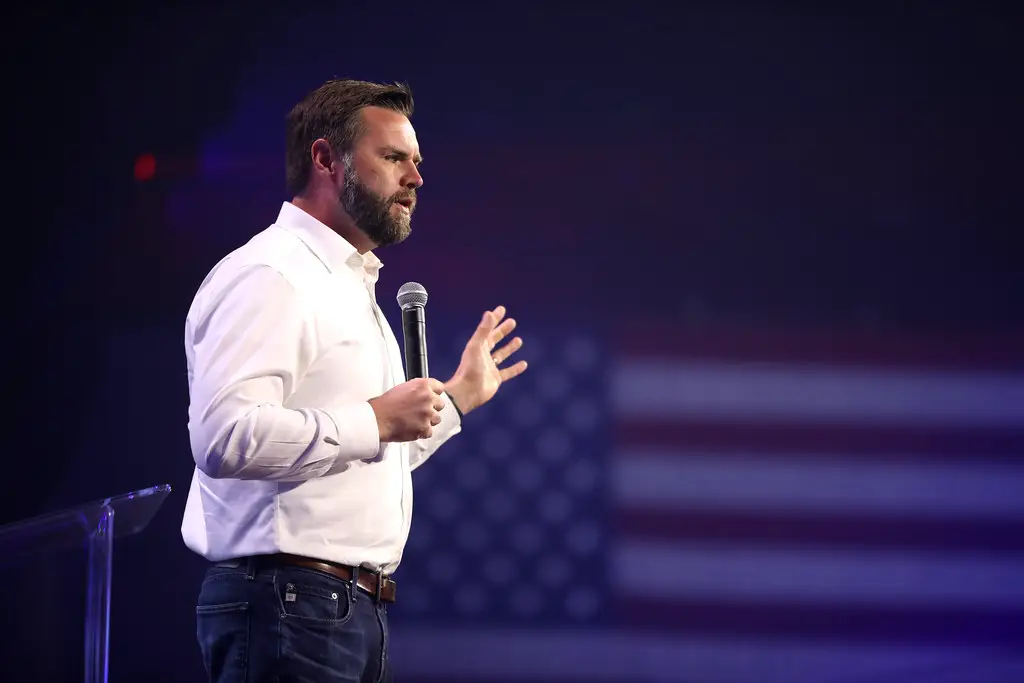
Senator JD Vance recently engaged in a heated exchange during a televised interview, where he expressed strong concerns about the potential risks posed by unvetted refugees entering the United States. Vance defended his position, emphasizing the importance of national security and the need for stringent vetting processes to ensure public safety.
During the discussion, Vance argued that allowing individuals into the country without thorough background checks could create significant risks, particularly if those individuals have ties to criminal organizations or extremist groups. He stated, “I don’t want someone in my country who hasn’t been properly vetted. We owe it to our citizens to protect them.”
The interviewer challenged Vance’s stance, questioning whether his approach might hinder the U.S. from fulfilling its humanitarian obligations to those fleeing conflict and persecution. In response, Vance acknowledged the importance of aiding refugees but insisted that security must remain a top priority. He proposed enhancing the screening process to balance compassion with safety.
The exchange highlighted the ongoing debate over U.S. refugee policies, with critics arguing that excessive restrictions could deny refuge to those in genuine need. Supporters of Vance’s position, however, believe that a more cautious approach is necessary to address potential threats and safeguard national interests.
The senator’s remarks come amid broader discussions about immigration reform and the role of federal agencies in managing refugee admissions. As the issue continues to polarize public opinion, lawmakers on both sides of the aisle are grappling with how to address security concerns while upholding the nation’s values of compassion and protection for vulnerable populations.