
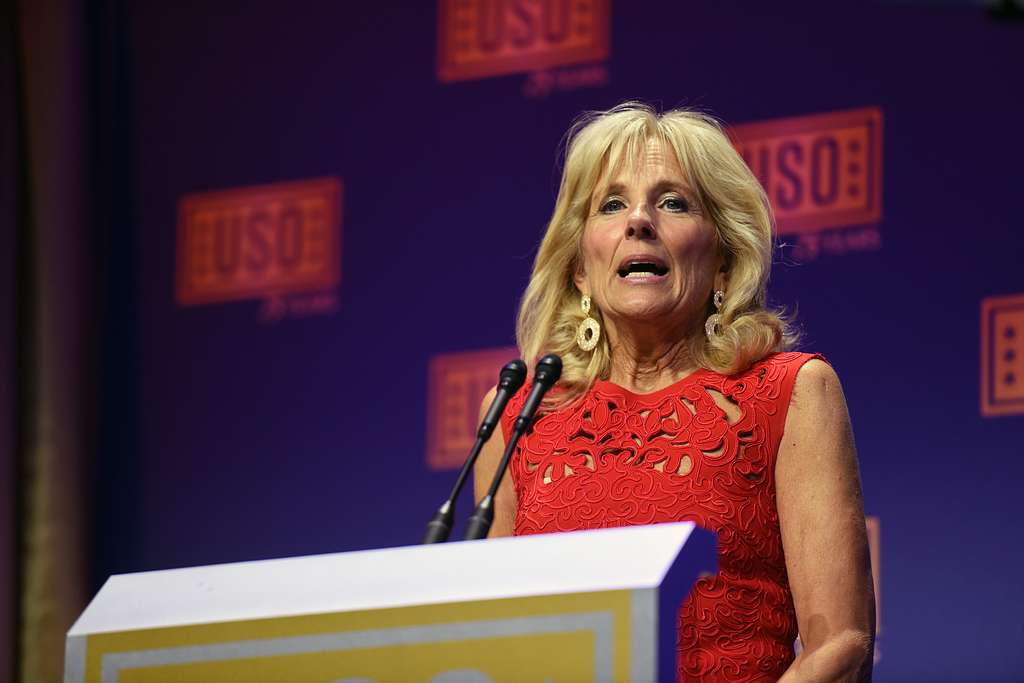
First Lady Jill Biden has openly criticized the special counsel Robert Hur for his report, which scrutinized President Joe Biden’s mental sharpness and age. Although Hur absolved President Biden of any wrongdoing concerning the handling of classified documents at his Delaware residence, he notably highlighted instances of forgetfulness, describing Biden as a “well-meaning elderly man with a poor memory.”
The 388-page document specifically pointed out that President Biden had difficulty recalling significant personal and official dates, including the death of his son Beau Biden and the tenure of his vice presidency. Jill Biden, expressing her distress, particularly about the use of her son’s death in the report, found the insinuation deeply inappropriate and offensive, emphasizing the personal and profound nature of such a loss.
Special Counsel Robert Hur, appointed in January 2023, was tasked with investigating the mishandling of classified documents by Biden. Despite the serious nature of the investigation, the report’s focus on Biden’s memory and age has ignited controversy, especially with the President and the First Lady strongly rebuking these claims.
At 81, President Biden holds the record as the oldest serving U.S. president. With the potential of running and serving a second term, concerns about his age and capability have become focal points of political discourse. The special counsel’s report has further fueled this debate, drawing sharp criticism from the Bidens and their allies.
Jill Biden has staunchly defended her husband, emphasizing his experience and capacity to perform his presidential duties effectively, despite his age. She highlighted his extensive daily schedule and asserted that his age, coupled with his experience, serves as an invaluable asset to his presidency.
The discourse around President Biden’s age and fitness for office continues to be a polarizing issue, with both critics and supporters vocal about their perspectives. As the political landscape evolves, the conversation about leadership, age, and capability remains central to the national dialogue.