
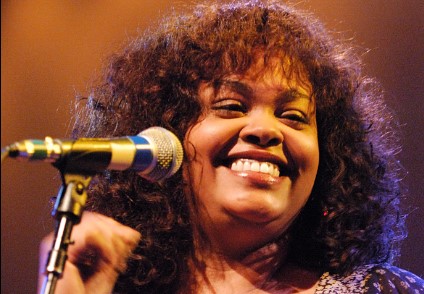
R&B artist Jill Scott has sparked controversy for her rendition of the US National Anthem, in which she altered the lyrics to address issues of racial inequality. The performance took place at the annual Essence Festival in New Orleans as part of Independence Day celebrations.
Scott’s version of the anthem incorporated lines such as “not the land of the free,” “blood built this land,” and “home of the slave.” She emphasized the black experience in America, stating, “Oh, say, can you see, by the blood in the streets, this place doesn’t smile on you, colored child.”
The liberties taken by Scott in reimagining the anthem have received mixed reactions from the public. Essence magazine, which hosted the event, shared a segment of the song on social media, leading to both support and criticism.
Critics have expressed their discontent with Scott’s performance, labeling it “nauseating” and “repulsive.” Some argue that it perpetuates a victim mentality among young black individuals and fuels division rather than promoting personal accountability and improvement.
Despite the controversy, there are those who appreciate Scott’s talent and contribution to music. However, for some, this rendition of the National Anthem has tested their admiration for the artist, leaving them disappointed and saddened.
Republican politicians, including Rep. Lauren Boebert of Colorado and former congressional candidate Lavern Spicer, condemned Scott’s altered lyrics, viewing it as a disrespectful expression of hatred towards America. They highlighted the sacrifices made by countless individuals in service of the nation.
Scott’s rendition has garnered attention in the past, but this recent performance at the Essence Festival has amplified the debate. In an interview, Scott revealed her contemplation of leaving the United States due to the racial climate, expressing admiration for the freedoms and opportunities she perceived in other countries.
The controversy surrounding Scott’s rendition of the National Anthem reflects the ongoing discussion about patriotism, social justice, and artistic expression in America.