
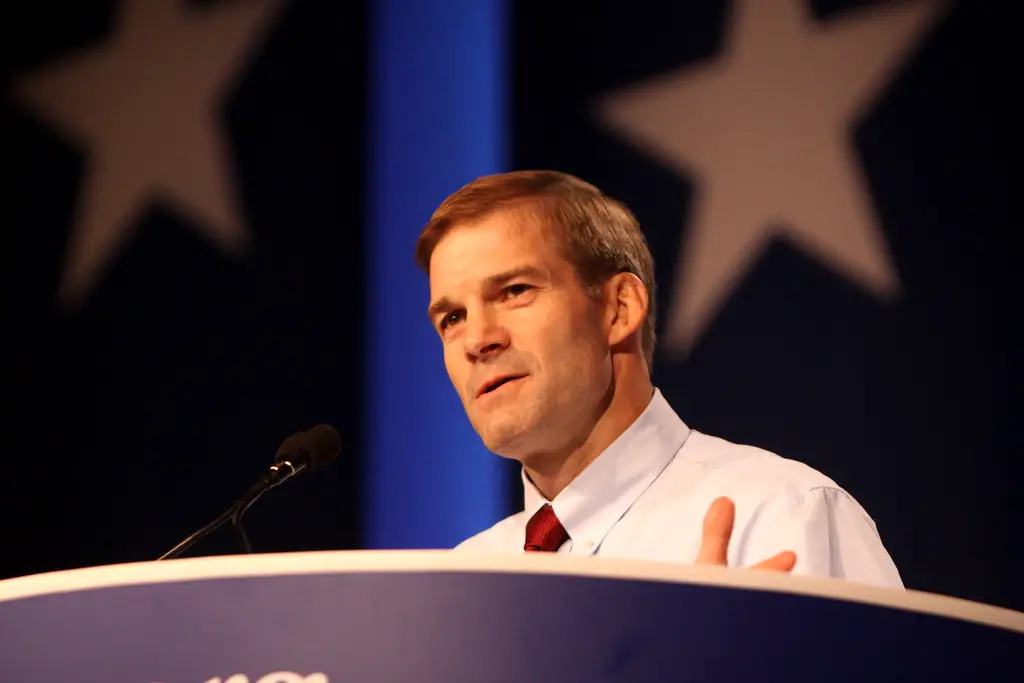
In a dramatic turn of events, House Judiciary Committee Chairman Jim Jordan (R-OH) orchestrated a virtual unveiling of internal Meta documents that set the digital world abuzz. According to Jordan, these documents held the elusive evidence of the White House’s alleged meddling in Facebook and Instagram’s content censorship.
Dubbed “The Facebook Files: Part 1,” this release played a symbolic nod to the infamous “Twitter Files,” capturing the attention of online spectators. Jordan teased a tantalizing thread on the X platform, revealing glimpses of screenshots from the documents but deliberately withholding the complete correspondence.
In his virtual address, Jordan asserted that these documents were nothing short of “smoking guns” that irrefutably demonstrated how Facebook and Instagram bowed to unconstitutional pressure from the Biden White House. The contentious issue revolved around censorship and the suppression of posts deemed undesirable by the administration.
Throughout the first half of 2021, the social media behemoths faced intense pressure, both publicly and privately, to tackle what the Biden White House branded as “misinformation.” Jordan highlighted email exchanges between Facebook’s top brass, Mark Zuckerberg and Sheryl Sandberg, where the ominous shadow of external stakeholders, including the White House, loomed large, influencing decisions on post removal.
The controversy reached its zenith when the Biden White House demanded the removal of a meme related to COVID vaccines. Despite internal concerns raised by Nick Clegg, Facebook’s President for Global Affairs, about potential encroachments on free expression and the sanctity of the First Amendment, the company ultimately acquiesced to the demands in a bid to appease the administration.
Further documents revealed how Facebook faced reproach for not censoring a video from journalist Tucker Carlson. In response, the company prepared talking points to address the White House’s concerns and gain favor.
The mounting public pressure culminated in President Biden publicly lashing out at social media platforms, accusing them of “killing people” through alleged misinformation. Under this intense scrutiny, Facebook finally conceded, and its policies were altered under the weight of pressure from the Biden administration and the Surgeon General, impacting content from specific groups labeled as the “disinformation dozen.”
Jordan passionately argued that these internal documents, along with others recently produced to the Committee, were a stark indictment of the Biden administration’s alleged abuse of power. The accusation claimed that the White House leveraged its influence to coerce Facebook into censoring Americans, stifling free and open discourse on matters of utmost public importance.
Amid the mounting pressure and threat of holding Meta’s CEO, Mark Zuckerberg, in contempt of Congress, Facebook took a calculated step towards cooperation. However, Jordan firmly asserted that contempt was still on the table should full cooperation falter in any way.
“The Facebook Files” proved to be just the beginning of this gripping saga, leaving the virtual world eager for more revelations and potential confrontations between Big Tech and the halls of power. The battle over free expression and the delicate balance between online platforms and government oversight continues to captivate audiences across the digital landscape.