
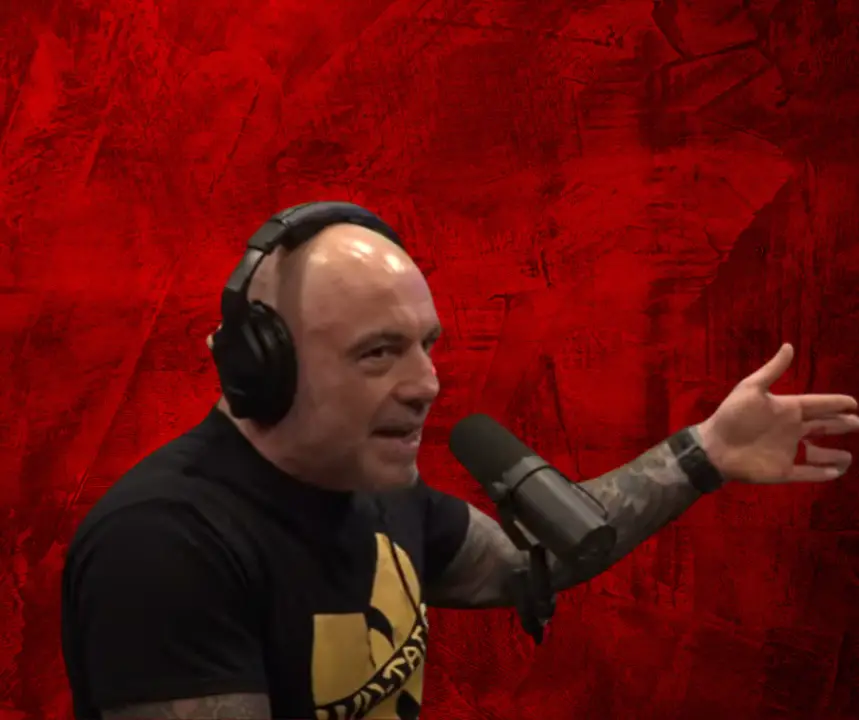
In a recent episode of “The Joe Rogan Experience,” host Joe Rogan asserted that mainstream media conducted an extensive psychological operation to portray President-elect Donald Trump as a dangerous figure. Rogan highlighted a significant shift in media attitudes toward Trump, noting that outlets and personalities once amicable toward him became overtly critical following his political ascent.
Rogan referenced past appearances where Trump received positive attention, such as his 2012 guest spot on “The View” and interviews with Oprah Winfrey, where discussions about a potential presidential run were met with enthusiasm. Contrasting these with more recent, critical portrayals, Rogan described the media’s approach as “the greatest media psy-op in history,” suggesting a deliberate effort to alter public perception of Trump.
He elaborated that this psychological operation involved distorting Trump’s image, leading the public to view him through a lens shaped by media narratives rather than objective assessment. Rogan’s comments have ignited discussions about media influence and the role of psychological operations in shaping political discourse.
These remarks come amid ongoing debates about media bias and its impact on public opinion, especially concerning political figures like Trump. Rogan’s perspective adds to the discourse on how media strategies can influence societal views and the importance of critical media consumption.