
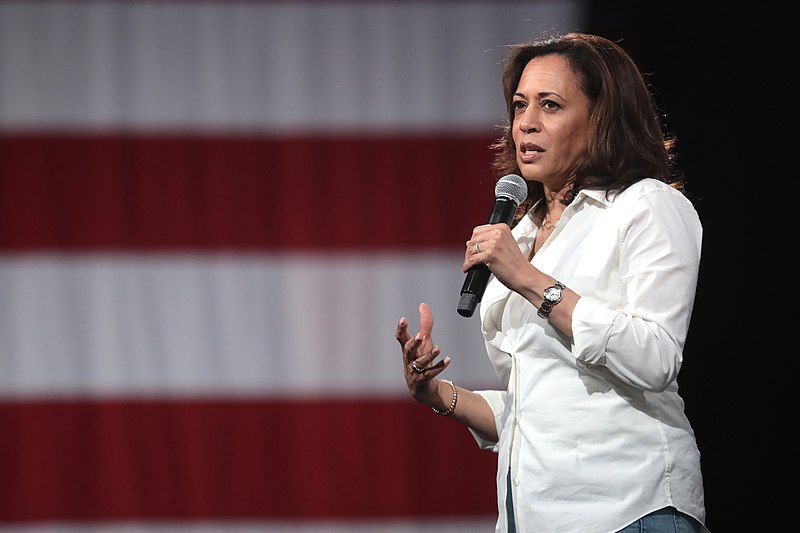
As discussions surrounding President Joe Biden’s age and mental fitness intensify within political circles and the public, Vice President Kamala Harris has explicitly stated her readiness to assume leadership if necessary. This declaration came ahead of the publication of Special Counsel Robert Hur’s report, which brought attention to Biden’s handling of classified documents and commented on his memory’s “significant limitations.”
Harris, in a recent interview, confidently asserted her preparedness to lead, emphasizing her proven capability to those who have observed her work. This statement underscores a pivotal moment as the Democratic Party grapples with concerns over the potential impact of Biden’s age on his re-election prospects.
Hur’s report, while not recommending charges against Biden, characterized him as a “sympathetic, well-meaning, elderly man with a poor memory,” fueling further debate about his fitness for office. The discourse has not been limited to the Republican opposition; prominent figures within the Democratic Party, including strategists James Carville and Paul Begala, have voiced apprehensions about Biden’s public appearances and responses to questions about his age.
Carville pointedly criticized the decision to skip a traditional Super Bowl Sunday interview, interpreting it as a lack of confidence by Biden or his staff. Meanwhile, Begala humorously but starkly described the situation as dire for Democrats, highlighting the broader concerns within the party about Biden’s leadership amidst challenging times.
Furthermore, former Secretary of State Hillary Clinton acknowledged Biden’s age as a “legitimate issue,” suggesting that it should be openly addressed rather than avoided. This candid assessment from a leading figure in the Democratic Party adds to the growing chorus within the party that is openly contemplating the implications of Biden’s age for his ability to govern effectively.
As the debate over Biden’s mental acuity continues, Harris’s readiness to serve as president represents a significant development, positioning her as a central figure in discussions about the Democratic Party’s future and leadership stability in the face of challenges related to the president’s age and health.