
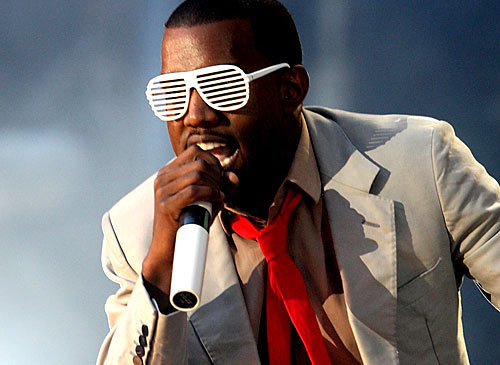
Kanye West, the influential but controversial musician and fashion designer, spoke openly about his past antisemitic remarks and his struggles with bipolar disorder in a recent interview, acknowledging the impact of both on his public image and personal life.
In the conversation, West discussed episodes where his comments were widely criticized as offensive, saying his words were influenced by periods of mental health instability rather than deliberate intent to harm. He described living with bipolar disorder as a major factor in past behavior, and emphasized that understanding and managing his condition has been an ongoing process.
West reflected on how his statements affected relationships with fans, industry peers, and broader communities. He said that greater awareness of his mental health challenges has helped him contextualize previous controversies, and that he is working to be more mindful in how he expresses himself.
The artist also spoke about his efforts to seek stability and support, including treatment strategies and personal growth, as part of his journey toward improved well-being. He indicated that balancing creativity, public scrutiny, and mental health remains a central focus as he continues his career.
While West’s comments reaffirm his diagnosis and its influence on his life, he did not issue formal apologies for every past remark; instead, he framed them within his ongoing efforts to better understand and manage his health.
The interview offers insight into how West views the intersection of mental illness, public speech, and accountability — a combination that has shaped much of his recent public narrative. It also highlights broader conversations around mental health and responsibility facing public figures today.