
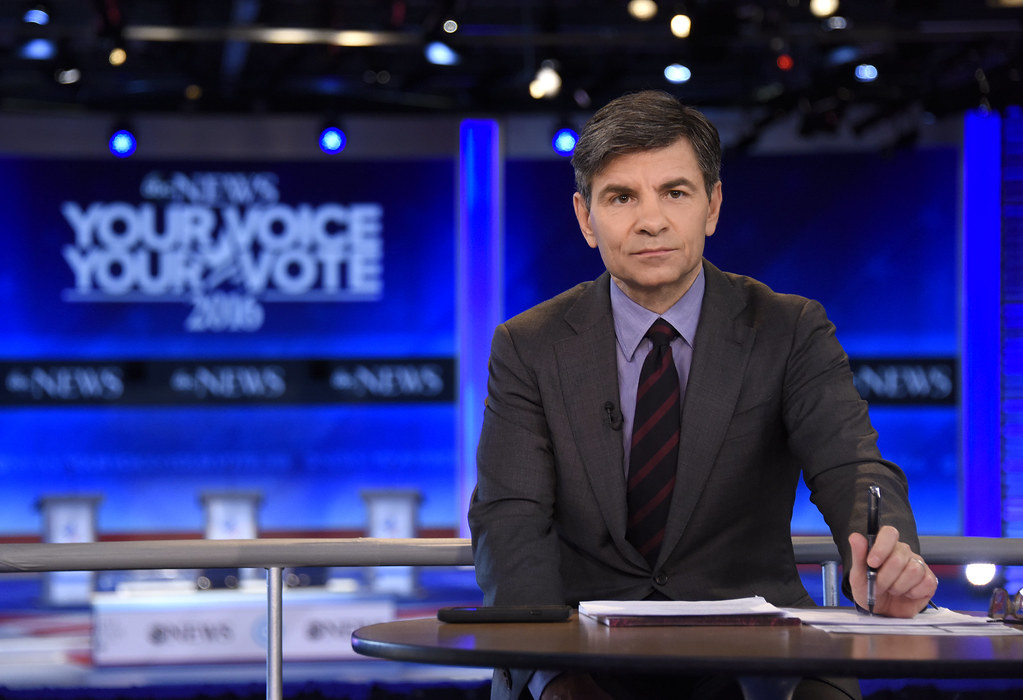
A recent settlement between ABC News and Donald Trump has sparked backlash from liberal commentators, who have expressed frustration with the network’s handling of the case. Critics argue that the agreement, which allows Trump to bypass a deposition involving ABC’s George Stephanopoulos, undermines journalistic integrity and capitulates to political pressure.
The settlement stems from a defamation lawsuit filed by Trump against the network, focusing on statements made during Stephanopoulos’ coverage of Trump’s policies. Initially, Trump was set to face direct questioning in a deposition, but the agreement now allows him to avoid the process altogether. Insiders indicate the settlement was reached to prevent a lengthy and costly legal battle.
Prominent liberal figures have taken to social media to express their disappointment, accusing ABC of prioritizing corporate interests over journalistic accountability. Some commentators labeled the settlement as a sign of weakness, suggesting it sets a concerning precedent for media organizations facing legal threats from powerful political figures.
The controversy has reignited debates about the media’s role in holding public figures accountable. Critics argue that avoiding a deposition signals a retreat from the responsibility of defending factual reporting, while supporters of the settlement contend that it was a pragmatic decision to avoid further legal entanglements.
ABC has yet to address the criticism directly, though network representatives have indicated that the settlement was made in the best interests of all parties involved. Trump’s legal team has touted the resolution as a victory, claiming it validates their client’s claims of media bias.
As the fallout continues, the episode has underscored the broader challenges media organizations face when navigating high-profile legal disputes with political figures, particularly in an era of heightened scrutiny and polarized public opinion.